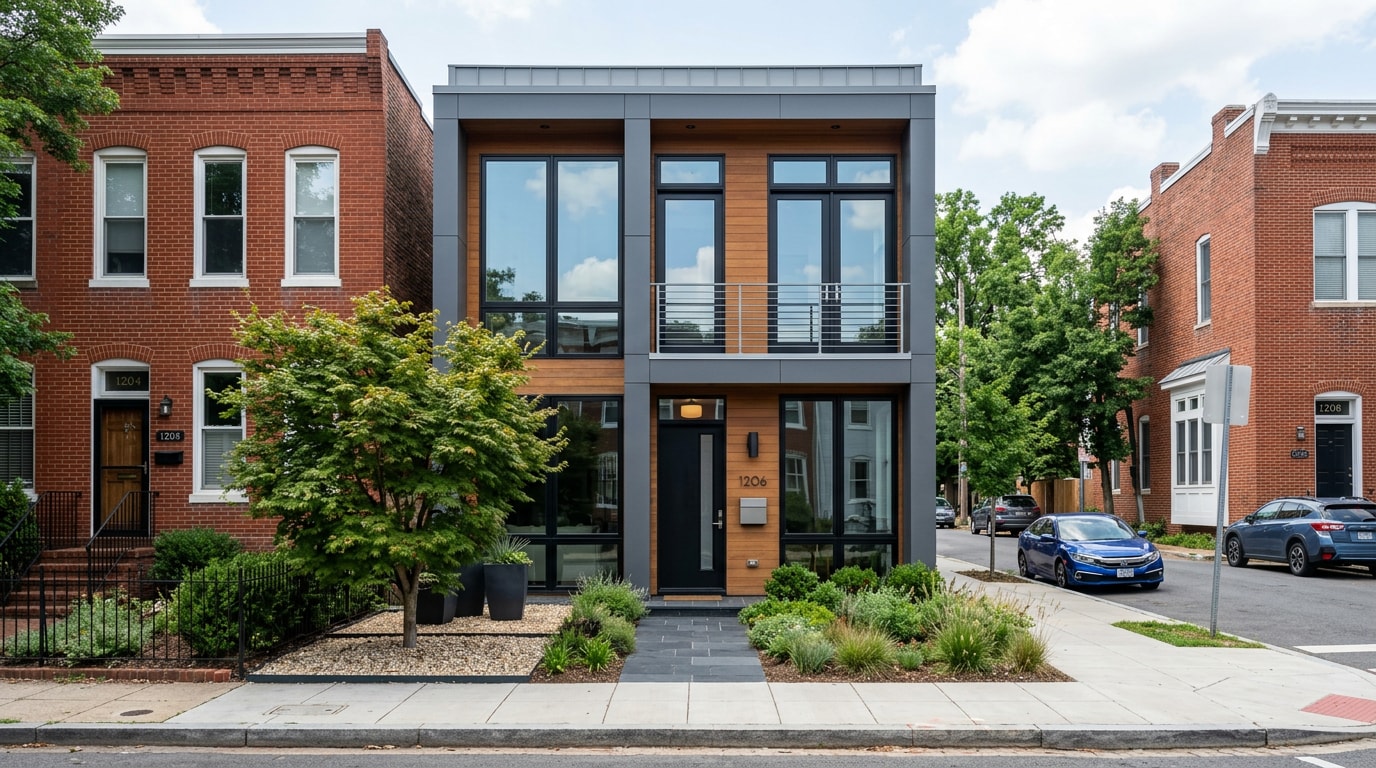
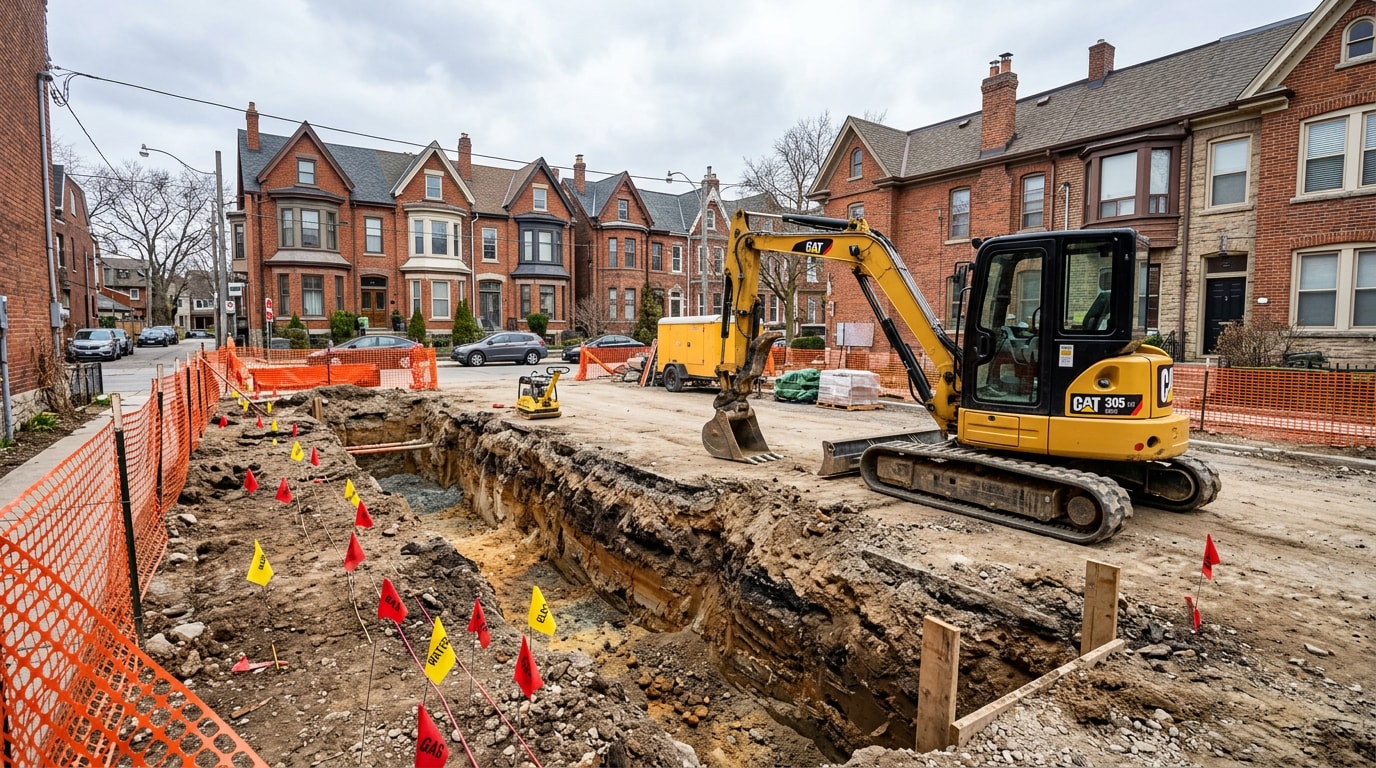
If you're searching for excavating contractors near me in Washington, DC, you're likely facing a foundation crack, a flooded yard, a stalled addition, or a new-build lot that needs to be cleared. DC's rowhouse foundations, buried gaslines, and narrow permit windows make this a job where the wrong hire costs you weeks, not just dollars. Here's what to check before you sign anything, plus the cost ranges and permit rules most searches skip.
How to Find the Right Excavating Contractor Near You in DC
Start by confirming the basics: is the company licensed to work in the District, insured for the scope of work, and able to show references from similar local jobs? A legitimate excavator should hand over proof of all three without hesitation.
Ask these questions before you get a quote:
- How do you handle utility locating, and do you coordinate the 811/Miss Utility call yourselves?
- Who pulls the permits, you or me?
- What's your plan for shoring, dewatering, or protecting neighboring foundations?
- Can I see a written scope and an itemized estimate, not a verbal ballpark?
At Argo Contractor, site excavation is the first phase of nearly every new construction and home addition project we run in the District. We've hit shallow gas laterals and century-old brick foundation footings on rowhouse lots where current plans showed nothing of the sort, which is exactly why we run utility locates and a site walk before any equipment moves. If you want that kind of groundwork handled by a crew that also finishes the build, request a free estimate and we'll walk the site with you.
Signs You Need Professional Excavation Services
A handful of problems almost always call for a professional rather than a rental excavator and a weekend:
- Visible cracks or sinking in a foundation wall
- Blocked or collapsed underground pipes
- A yard that floods every time it rains
- Uneven or settling soil near a structure
- Plans for a new addition, garage, pool, or outbuilding
DC's older rowhouse foundations and aging utility laterals make guesswork risky. Hitting an undisclosed line or undermining a shared party wall can turn a simple dig into a legal and financial mess for you and your neighbors.
Types of Excavation Services in Washington, DC
Excavation covers more ground than most homeowners expect:
- Site excavation clears and levels land for new builds
- Trenching opens narrow channels for utility lines
- Grading shapes soil for proper drainage
- Foundation excavation digs the footprint for a structure
- Demolition excavation removes old slabs and footings
- Environmental excavation handles contaminated or unstable soil
A contractor's job goes well past moving dirt. It includes exposing utilities safely, coordinating locates, meeting DC's permitting rules, and handling backfill and restoration to engineering spec.
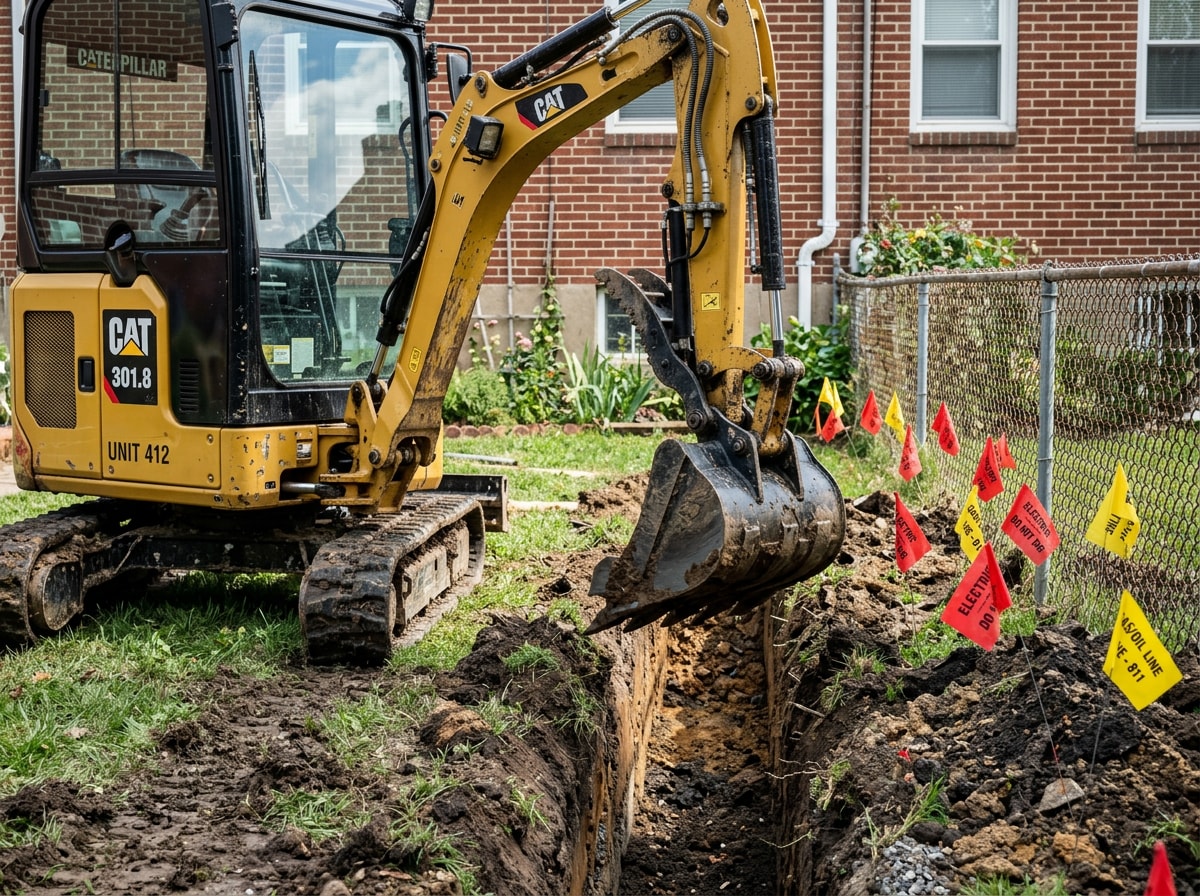
Key Services to Expect From Your Excavation Contractor
- Utility locating and marking coordinated through 811
- Trenching and bedding for water, sewer, gas, and electrical lines
- Trenchless methods like directional boring where conditions allow
- Emergency repairs, shoring, and traffic control for right-of-way work
What Excavation Costs in the DC Metro (2026)
Excavation pricing depends on scope, soil conditions, utility depth, whether shoring or dewatering is needed, and how much restoration the site requires. Urban DC projects typically need more lead time than suburban ones because of permitting and traffic control on narrow streets.
| Soil Type | Cost per Cubic Yard | Typical Project Total |
|---|---|---|
| Sandy / loose fill | $50 – $90 | Driveway excavation: $1,500 – $3,500 |
| Clay / mixed soil | $75 – $130 | Basement dig-out: $8,000 – $20,000 |
| Rocky | $110 – $220 | Foundation pad: $4,500 – $12,000 |
These are planning estimates, not quotes. Actual timeline and price shift with site access, dig depth, and how complex the permit review turns out to be. You can browse examples of completed site work in our project gallery, or see how pricing varies for new builds through our new construction services.
Permits You Need Before You Dig in DC
Most excavation work in the District requires a permit from the DC Department of Buildings. An Excavation Only permit covers work to excavate, remove and dispose soil or rock from a site to form an open face/pit , and an architectural and site plan are required for excavation projects to detail soil depth .
If your project involves a basement or underground structure, you'll likely also need a Sheeting and Shoring permit, which is required for temporary support of excavations, generally for the purpose of constructing underground structures and basements . That application needs more than a contractor's word: it calls for an architectural plan stamped by a District-licensed architect or engineer , including structural calculations and a geotechnical report.
Before any permitted work starts, calling Miss Utility is mandatory. DC rules require you to call Miss Utility at 811 or 1(800) 257-7777 at least 48 Hours prior to excavation to obtain a ticket , and Miss Utility will then arrange for a locator service to mark underground lines. Skipping either step isn't a minor paperwork issue. The District can issue Class III to Class I civil penalties ranging from $500 to $2000 per violation pursuant to 12 DCMR §§ 115 and 105.1, along with the issuance of a Stop Work Order . That's a detail most excavation guides leave out, and it's reason enough to confirm your contractor is pulling permits correctly before the first scoop of dirt moves.
Common DC Excavation Challenges (and How Crews Handle Them)
DC soil swings from dense clay to loose sandy fill block by block, which affects trench stability and equipment choice. Experienced crews run soil testing first, then match machinery and reinforcement to what they find.
Terrain adds another layer. Compact urban streets, sloped lots, and low-lying areas near wetlands all demand different approaches. In older neighborhoods, service laterals often sit shallower than current code allows, so crews need to confirm exact locations before digging rather than trusting old utility maps.
Preparing Your Site: A Quick Checklist
A little prep work saves real time once equipment is on-site:
- Gather property records and any existing permit paperwork
- Loop in neighbors ahead of time, especially for shared walls or driveways
- Confirm utility company contact info in case a locate needs to be redone
- Clear vehicles and obstacles from the dig zone and access path
- Ask your contractor for a written start-to-finish timeline
Ready to get your project scheduled? Contact our team for a site walk and a written scope before you commit to a start date.
Excavation Safety Standards in DC
Safety starts before the first scoop of dirt moves. Always call 811, use proper protective equipment, and keep the site secured with barriers and signage. Calling before digging matters more than most homeowners realize: calling 811 or visiting www.call811.com has proven to be the foremost preventive measure in excavation safety and damage prevention, and research has revealed that if someone calls 8-1-1 before they dig, they have a 99 percent chance of avoiding an incident . You can request a locate directly through call811.com.
Trench work carries real collapse risk. Federal rules require that all excavations 5 feet deep or greater make use of one of the following protective system options: sloping the ground, benching the ground, shoring the trench with supports, or shielding the trench , per OSHA's trenching and excavation standards. A contractor who skips this on a basement dig-out is putting your project and their crew at risk.
Why This Matters for Additions, New Builds, and Commercial Sites
Excavation is rarely a standalone job. It's the first phase of a new build, a home addition, or a commercial fit-out, and the quality of that groundwork determines whether the rest of the project goes smoothly. Argo Contractor handles site excavation as part of our general contractor services, including home additions and commercial construction across the District. We also serve nearby Arlington, VA, Bethesda, MD, and Alexandria, VA if your project sits just outside DC proper.
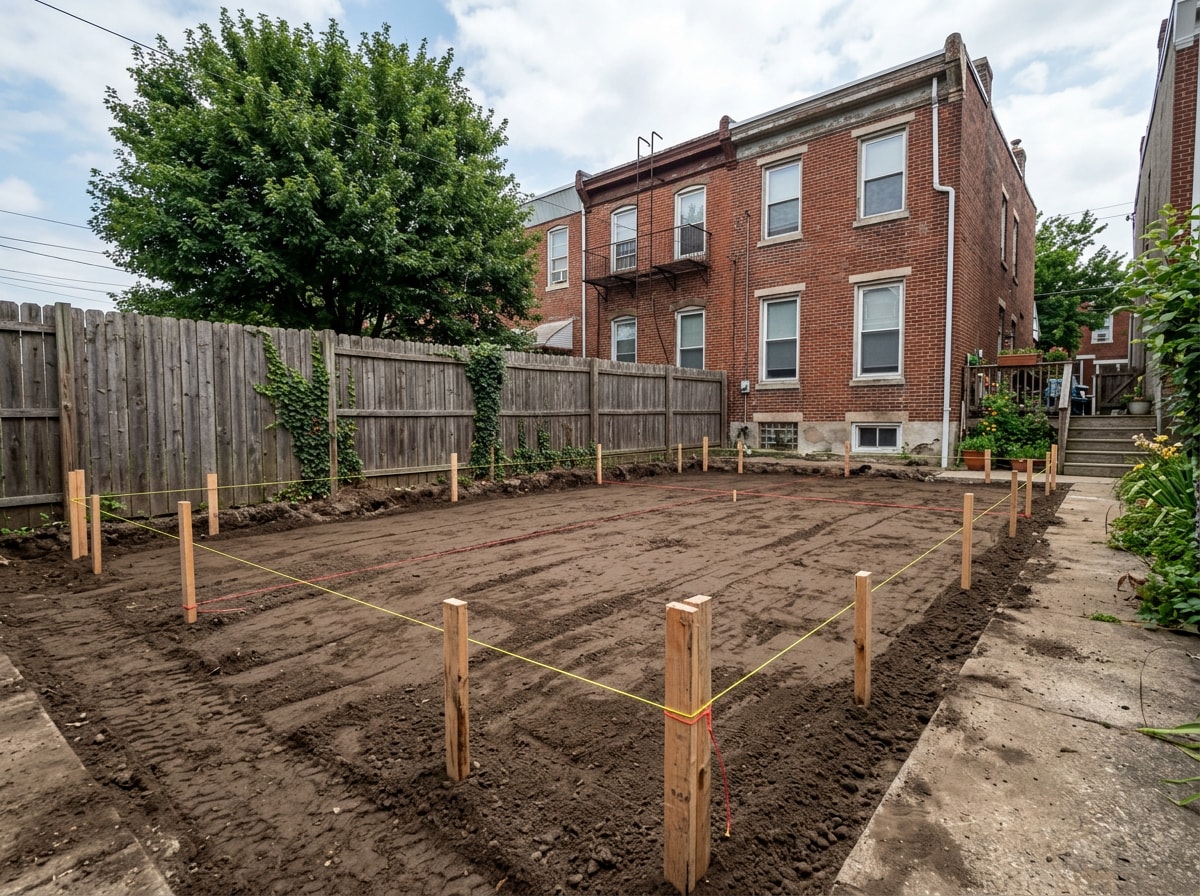
Learn more about how we approach site work and project phasing on our homepage, or reach out directly through our Washington, DC service page.
FAQ
What Is Excavation?
Excavation is the process of digging, trenching, and moving earth to prepare a site for construction, typically using heavy equipment like an excavator or backhoe. It's required for new homes, driveways, basements, inground pools, septic systems, and gas line installation, often alongside land clearing and grading.
How Much Does Excavation Cost in Washington, DC?
Most DC-area excavation runs $50 to $220 per cubic yard depending on soil type, plus access and permitting costs specific to urban lots. A driveway dig typically lands between $1,500 and $3,500, while a full basement dig-out can run $8,000 to $20,000 or more. Get a written, itemized quote rather than relying on a ballpark figure.
Do I Need a Permit to Excavate in DC?
Yes. Most excavation work in the District requires a permit from the DC Department of Buildings, and projects involving underground structures or basements also need a Sheeting and Shoring permit with engineer-stamped plans. Skipping this step can trigger a Stop Work Order and civil penalties.
How Long Does Excavation Take?
A standard residential dig takes one to five days once permits clear, though permitting itself can add two to six weeks in DC depending on project scope. Larger basement or commercial site excavations can run several weeks.
What's the Difference Between Excavation and Grading?
Excavation removes earth to create an opening, like a trench or foundation footprint. Grading reshapes and levels existing soil, usually to improve drainage or prepare a flat surface. Many projects need both.
What Questions Should You Ask Excavation Companies Before Hiring?
Ask how long the company has operated, whether they're licensed and insured, and whether they hold erosion and sediment control certification. Confirm they'll flag buried utility lines before digging, clarify who handles permits, and get a realistic timeline in writing.