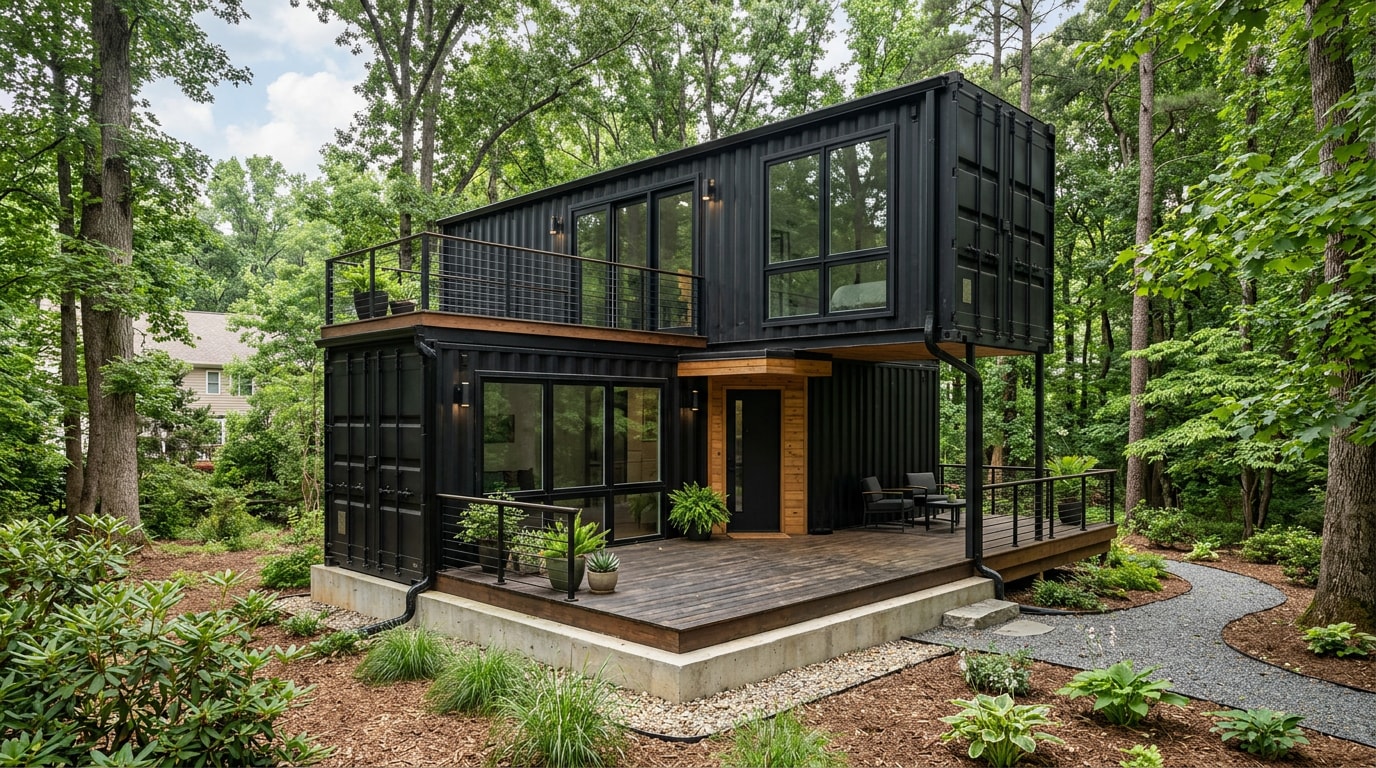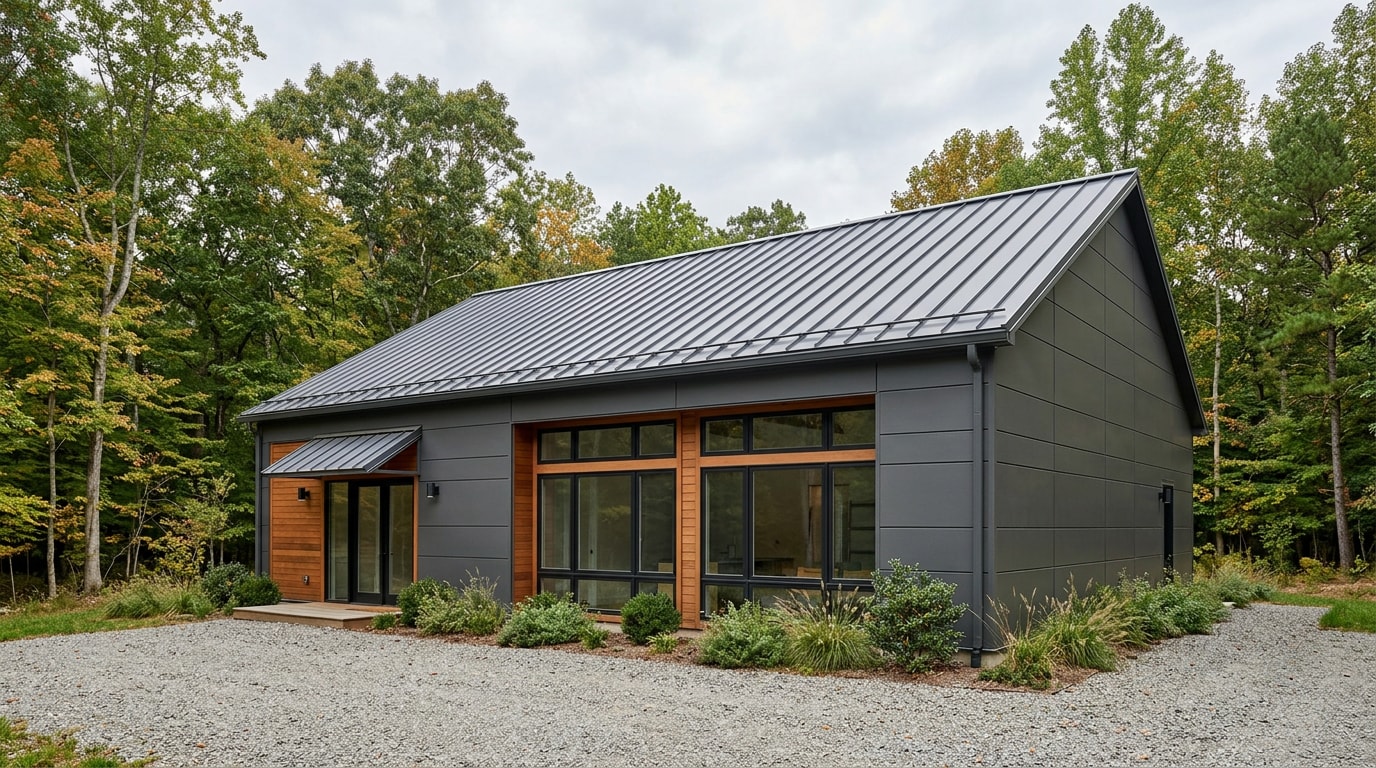
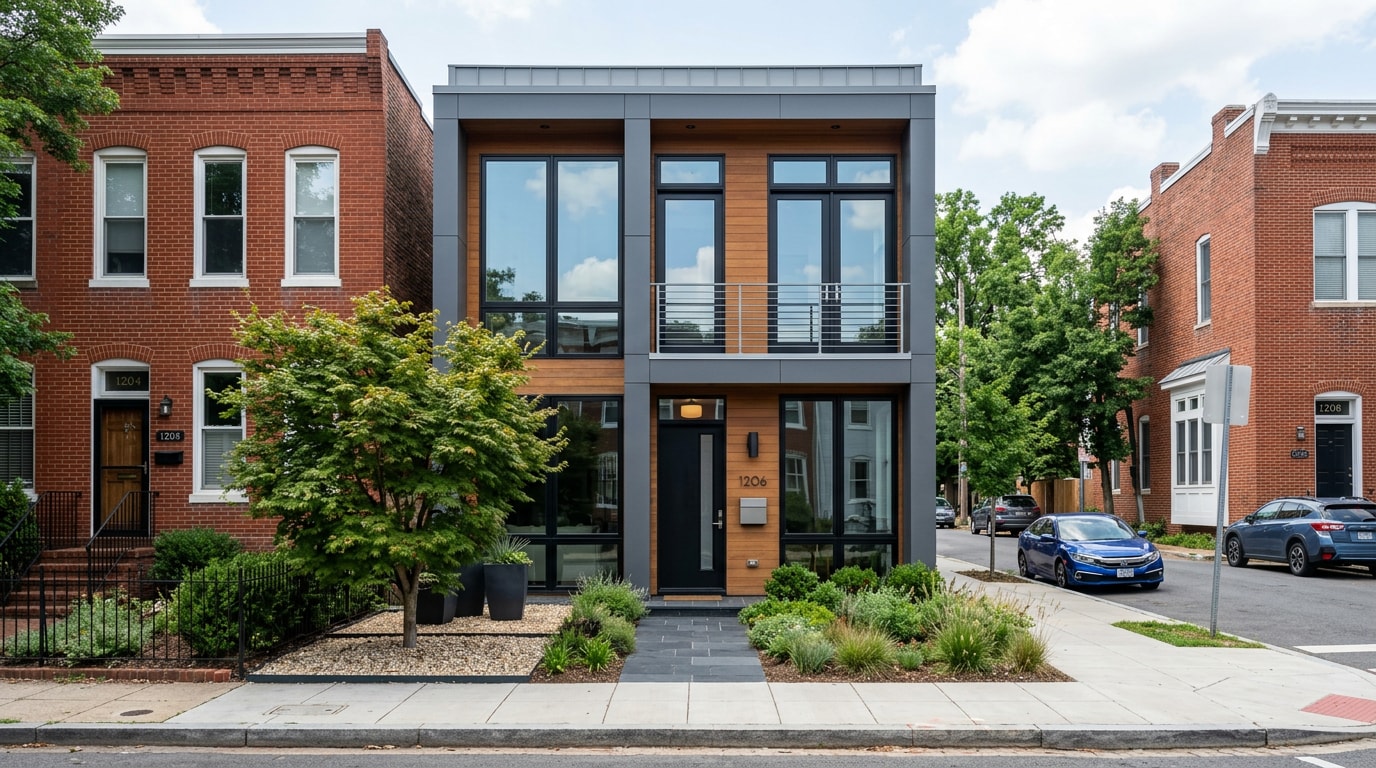
Modular home companies Washington, DC buyers can actually rely on are harder to find than a quick search suggests. No modular factory sits inside the District, zoning rules shift block by block, and financing depends on whether your lot sits in DC proper, Montgomery County, or Fairfax. I've spent years coordinating site work and additions across the DMV, including projects that involved setting modules on tight rowhouse lots, and this guide reflects what actually trips buyers up: the builders worth calling, the code path DC uses, and the financing details that decide whether a project moves forward at all.
Visit Argo Contractors to see our services and request a free estimate.
How I Built This List
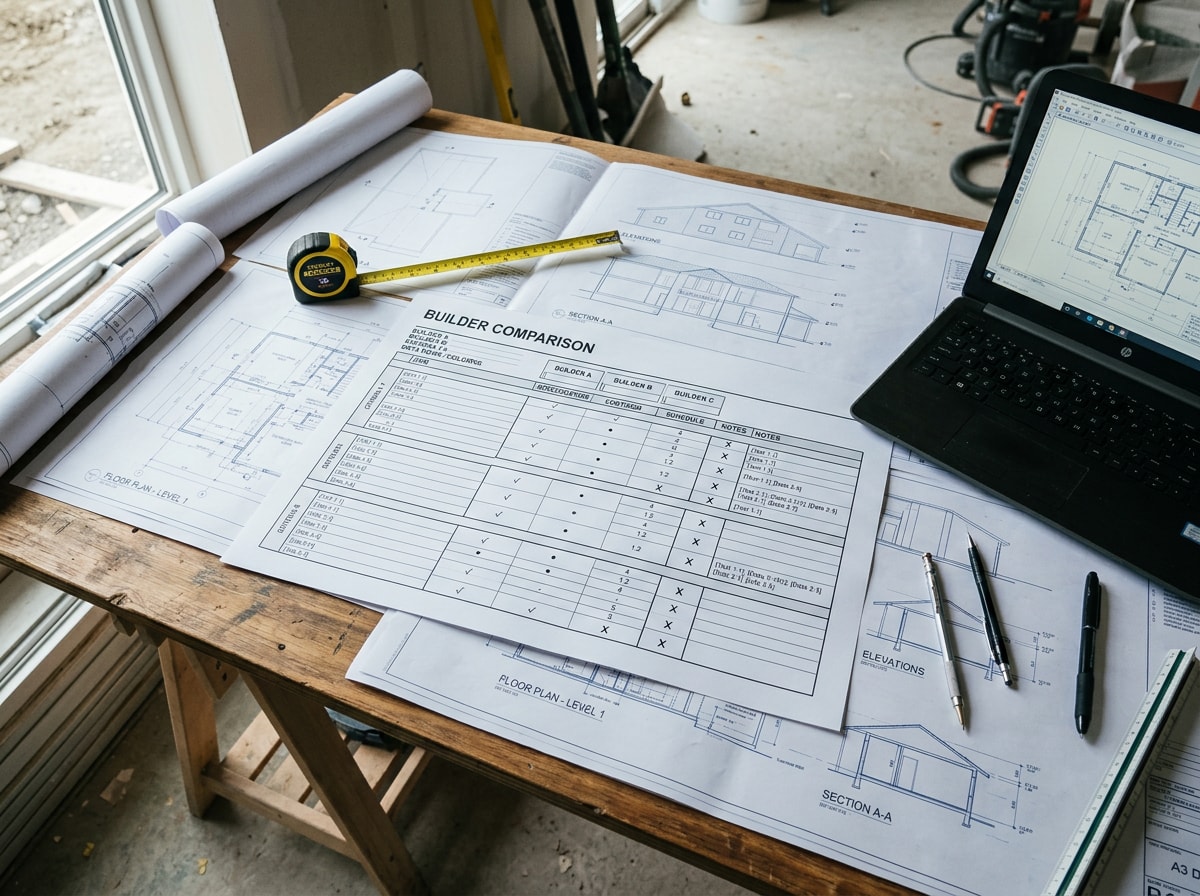
This is a curated shortlist, not a directory of every company willing to ship a module into the region. A builder earned a spot based on four things:
- Active state seal certification valid for DC construction
- A regional plant close enough to control freight costs
- A documented history of DMV deliveries
- Relationships with lenders who already understand modular underwriting
Alley-load delivery is the real filter in DC. Narrow rowhouse alleys, tight turning radii, and utility easements rule out crews who have only ever set modules on open suburban lots. A builder without documented DMV experience can quote a number that falls apart the moment a crane permit or street closure enters the picture. If your project also needs site prep, a new foundation, or an addition to tie a module into an existing structure, that's general contractor work, and it's worth lining up before you pick a modular supplier. Get a free estimate if you want a second set of eyes on a lot before you sign anything.
Vetted Modular Home Companies Serving Washington, DC
No modular manufacturer operates a plant inside the District, so every builder on this list ships modules from a regional factory and finishes the home on-site. DC accepts modular construction inspected and labeled under Maryland's or Virginia's state seal program since the District has no modular-specific code of its own. That single fact shapes almost every decision below.
Excel Homes
- HQ: Liverpool, Pennsylvania
- Known for: Custom and catalog modular, broad price range
- Best fit: Primary residence on a close-in DMV lot
Excel Homes is one of the most active suppliers into the DMV, with a builder network experienced setting modules on tight DC lots and close-in suburban infill sites alike. Its catalog spans entry-level to upper-mid price bands, with real customization paths rather than one fixed floor plan.
Method Homes
- HQ: Seattle, Washington
- Known for: High-performance envelopes, modern design language
- Best fit: Contemporary primary residence where energy performance matters
Method Homes builds on a project-by-project basis for DMV clients rather than running a standing regional operation. Expect pricing toward the premium end of the modular spectrum in exchange for tighter envelopes and stronger insulation values.
Plant Prefab
- HQ: Rialto, California
- Known for: Architect-led modular, net-zero design focus
- Best fit: Higher-budget custom builds with an architect already engaged
Plant Prefab serves the DMV on a project basis. Because modules ship cross-country, this option makes the most financial sense when design control justifies the added freight, typically in places like Bethesda, McLean, or inner DC.
Connect Homes
- HQ: San Bernardino, California
- Known for: Steel-frame modular, large glass walls, flat rooflines
- Best fit: Buyers chasing a distinct modern look
The steel chassis adds shipping weight and cost compared with wood-framed modules, so cross-country logistics deserve a conversation early in planning.
Honomobo
- HQ: Edmonton, Alberta
- Known for: Container-based aesthetic, fully engineered modular structure
- Best fit: DC infill where design language is non-negotiable
Cross-border shipping means pricing and currency exposure should be locked in well before signing, since exchange rates and customs timing can shift a budget.
Westchester Modular Homes
- HQ: Wingdale, New York
- Known for: Custom catalog and fully custom designs, mid-to-upper price band
- Best fit: Buyers who want more flexibility than a rigid catalog but don't need a fully bespoke architect-led build
Westchester serves the DMV on a project basis, with delivery logistics handled through regional trucking partners rather than a dedicated local yard.
Abodu
- HQ: Redwood City, California
- Known for: Turnkey backyard ADUs
- Best fit: Rental unit, home office, or space for aging parents
A backyard ADU fits DC's alley-dwelling stock and similar additions in close-in Maryland and Virginia. If an ADU is really an addition to your main house rather than a standalone unit, our home additions team handles the structural tie-in and permitting side of that work.
Clarksville Construction Services
Based in Annapolis Junction, Maryland, Clarksville Construction Services has served Howard County and nearby regions since 1999, handling additions, kitchens, bathrooms, basements, and select commercial work alongside modular projects. Best of Houzz Service Award Winner 8 years running (2015-2024), and the company is located in Hanover, MD, having served Howard County and surrounding areas since 1999. It's a solid pick for DMV buyers who want a long-tenured, regionally established general contractor rather than a national modular brand.
DC, Maryland & Virginia Modular Code Basics
DC, Maryland, and Virginia each handle modular approval through different agencies, so knowing which path applies to your address matters before you sign anything.
DC permits modular construction through its Department of Buildings, accepting modules built to Maryland's or Virginia's state seal programs once properly certified. DC's current code baseline matters here: the 2017 DC Construction Codes consist of the 2015 International Code Council (ICC) family of model codes, the 2014 National Electrical Code, and 2013 ASHRAE 90.1, as amended by the District of Columbia Municipal Regulations (DCMR) Title 12 , and a newer code cycle is in development but not yet adopted. For the current, official code language, see the DC Department of Buildings construction codes page.
Historic district overlay is the real wildcard. DC's historic districts, along with several close-in Maryland and Virginia historic neighborhoods, require design review for new construction and most substantial renovations. Review by HPRB is generally only necessary for larger projects, such as sizable additions, major alterations, new construction, or any work not specifically delegated to HPO for approval.
The HPRB typically meets on the fourth Thursday of each month and holds a continuation meeting on the following Thursday if needed. Modular is allowed, but exterior materials and massing have to match district standards, and that review timeline can add months to a project.
Before signing with any builder in a historic overlay zone, ask three things: how many HPRB reviews has this builder actually completed, what's the realistic timeline on record, and who absorbs the cost if the review forces a design change mid-process. Full detail on how the review process works is on the DC Office of Planning's historic preservation review page.

Financing a Modular Home in the DMV
Loan products and assistance programs vary enough by jurisdiction that financing deserves its own planning stage, separate from picking a builder.
First-time buyers have real options. DC Open Doors, run through the DC Housing Finance Agency, offers a deferred down payment loan. The District provides home buyers with a deferred loan to assist with down payment and closing costs, and repayment is deferred until the homeowner moves, sells, or refinances. One detail worth flagging: older editions of the DC Open Doors Lender Manual explicitly listed modular homes under eligible property types, while the eligible-property list in the current manual covers single family detached or semi-detached, townhomes, condominiums, and 1-4 units , with manufactured homes listed as ineligible. Don't assume last year's eligibility rules still apply. Confirm modular status directly with a participating DC Open Doors lender before you count on this program.
For buyers who don't qualify for first-time programs, conventional and agency products fill the gap. MH Advantage helps homebuyers finance manufactured homes that have characteristics typical of site-built homes , and on the Freddie Mac side, CHOICEHome Mortgage finances CrossMod and CHOICEHome-certified manufactured homes with site-built underwriting and appraisal standards . Freddie Mac also widened the door recently: in August 2025, Freddie Mac expanded its CHOICEHome conventional financing options to include modern single-section factory-built homes , which opens financing to smaller factory-built units that wouldn't have qualified before. Credit unions including PenFed, Justice Federal, and Andrews Federal routinely write construction-to-perm loans for modular builds in the region.
ADU financing works differently. DC and Montgomery County homeowners adding a backyard unit increasingly lean on a cash-out refinance or a HELOC against the primary residence, since most ADU projects fall below the threshold where a separate construction loan makes sense.
| Loan Type | Best For | Typical Term Features |
|---|---|---|
| Chattel loan | Rare for DC/DMV permanent-foundation modular | Higher rates, shorter terms, treats home as personal property |
| Construction-to-perm | Full modular build on owned or purchased land | Converts to a standard mortgage after completion; requires builder draw schedule |
| Conventional (MH Advantage/CHOICEHome) | Permanent-foundation modular meeting program specs | Mortgage-rate pricing, standard down payment options |
For the latest eligibility details, review Freddie Mac's mortgage products page covering CHOICEHome directly. If your project is a Virginia build near the DC line, our modular home guide for Reston covers financing specifics that differ slightly once you cross into Fairfax County.
Where We Fit In
Argo Contractor isn't a modular manufacturer, and we won't pretend otherwise. What we do handle across the Washington, DC area is the work that happens before and after the modules arrive: site prep and foundations through our new construction team, tie-in additions, and the finish work that turns a set of delivered modules into a livable home. If you're vetting modular builders and want a local general contractor's take on a specific lot, alley, or historic overlay before you commit, contact us for a free estimate. You can also browse our general contractor services or see finished work on our projects page.
FAQ
Are these builders certified in Washington, DC?
Every builder on this list holds valid state seal certification applicable to Washington, DC, or ships homes carrying valid state labels recognized under DC's modular acceptance rules. That certification is non-negotiable for permitting.
What does a modular home cost in the DC area?
There isn't a reliable, verified per-square-foot figure specific to DC installed modular pricing, and national averages don't translate cleanly to a market with alley-load delivery and historic review costs layered in. For comparison, HUD's national data put average site-built construction costs around $167.87 per square foot against roughly $85 per square foot for manufactured homes, but that comparison covers manufactured housing, not modular, and isn't a DC number. Get an itemized, site-specific quote rather than budgeting off a national average.
What's the difference between a modular home and a manufactured home?
Modular homes are built to local, state, or regional building codes and sit on a permanent foundation, just like a site-built house. Manufactured homes follow a separate federal HUD code and historically remained on a steel chassis. That's changing: HUD's Next Generation Manufactured Housing Action Plan removed the long-standing permanent chassis requirement as part of a broader code modernization effort tied to the 21st Century ROAD to Housing Act. Lenders, appraisers, and zoning offices still treat the two categories very differently, so confirm which one applies to a specific home before shopping.
Is modular construction legal in Washington, DC?
Yes, modular construction is permitted throughout DC, subject to the state-seal acceptance pathway covered earlier. Main restrictions involve floodway or watercourse proximity and limits on manufactured (non-modular) units in certain multifamily-zoned areas. Confirming zoning for a specific lot before buying is still worth the time.
Can I get a conventional mortgage for a modular home in DC?
Yes, in most cases. Permanent-foundation modular homes typically qualify for standard conventional financing the same way a site-built home does, since modular homes meet local/state codes rather than the separate federal manufactured housing code. Confirm with your lender early, since underwriting can still vary by program.
How long does it take to build a modular home?
Factory build time usually runs six to twelve weeks, depending on the builder's backlog and customization level. On-site set and finish work adds another six to twelve weeks beyond that. In DC specifically, permitting delays and historic district review can extend the total timeline well past the factory schedule, so build in buffer time rather than count on the fastest-case estimate.