Industrial concrete contractors in Arlington, VA handle a different scope of work than a residential driveway crew: forklift-rated slabs, tilt-up panels, and paving built to carry tractor-trailers every day. Hiring the wrong one shows up fast, as cracked joints, uneven floors, or a slab that can't pass inspection. This guide breaks down what these contractors actually do, what the work costs in 2026, and the specific questions that separate a qualified crew from one that's in over its head.
Services Industrial Concrete Contractors Provide in Arlington, VA
Commercial and industrial properties in Arlington need more than one concrete skill set. A single project often spans foundations, paving, tilt-up panels, and pedestrian infrastructure, and each piece carries its own engineering requirements.
Concrete Foundations & Slabs
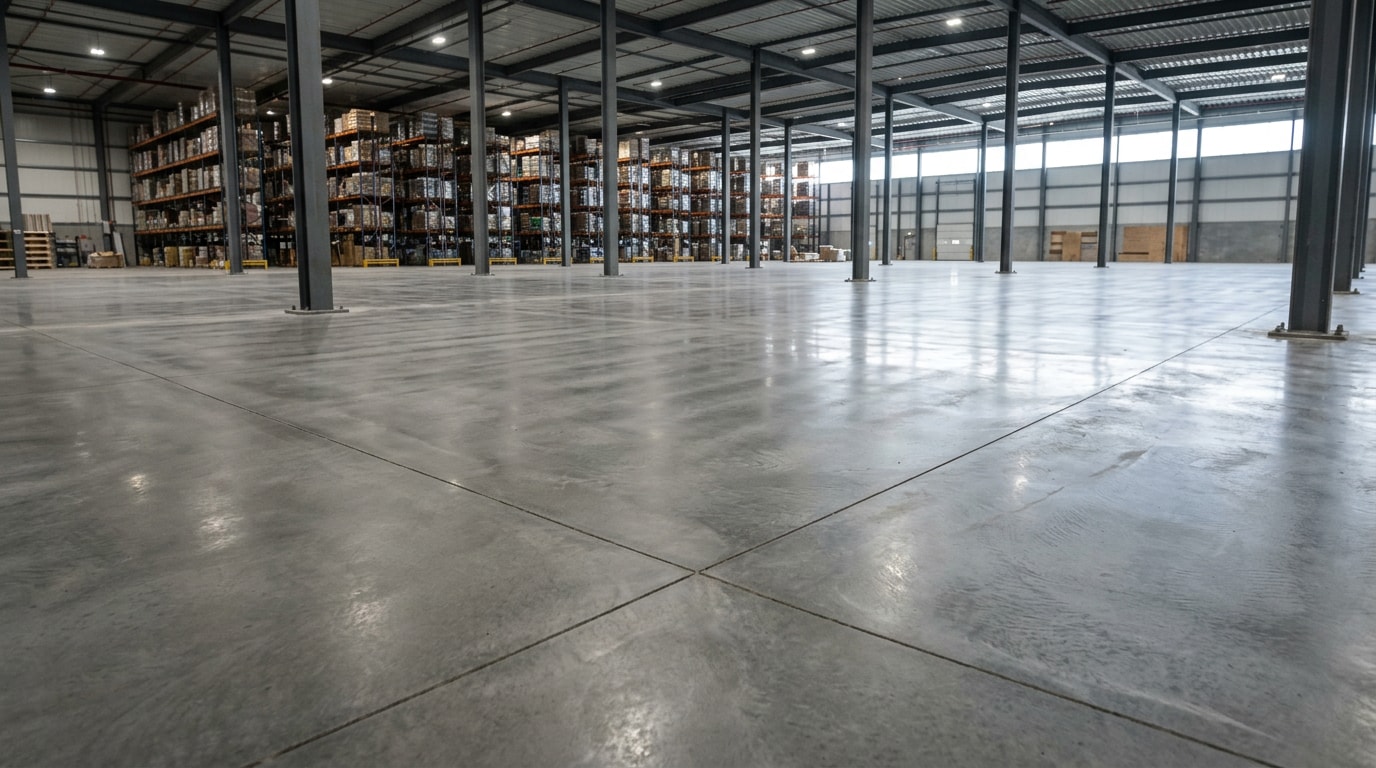
Industrial floor slabs carry forklifts, racking systems, and automated equipment, so flatness isn't cosmetic, it's structural. A warehouse floor poured outside tolerance can cause automated guided vehicles to stall or racking legs to rock under load.
Flatness on these floors is measured against F-number standards (FF for flatness, FL for levelness), which are tested under ASTM E1155 and specified according to ACI 302.1R guidance. Getting this right at the pour avoids expensive grinding or re-pours later, especially on high-tolerance floors built for automated storage systems.
Concrete Parking Lots & Paving
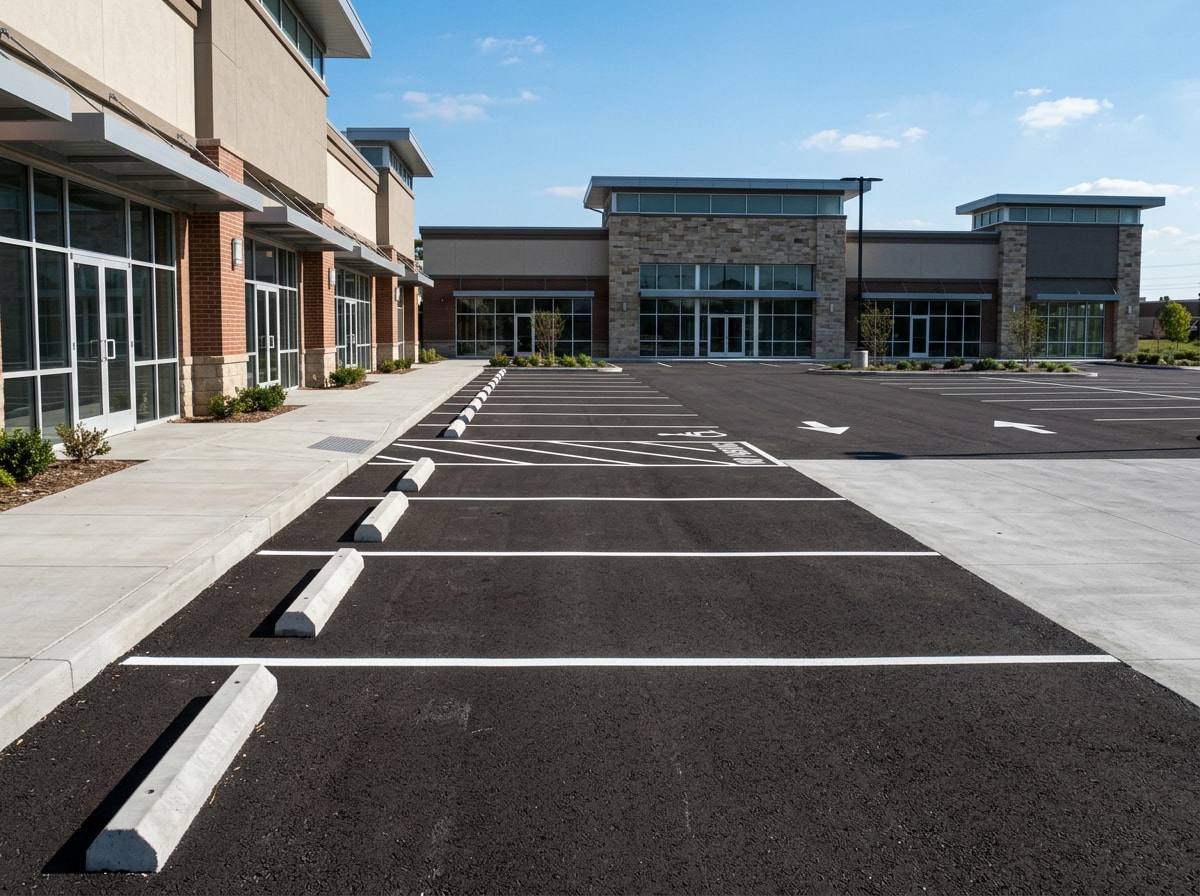
Concrete parking lots and drive lanes hold up to delivery trucks, forklifts, and constant turning loads better than thin asphalt overlays over the long run. Proper subgrade compaction and reinforcement keep commercial paving crack-free for decades with lower long-term maintenance than asphalt alternatives.
Tilt-Up Wall Construction
Tilt-up construction involves casting concrete wall panels on site, then lifting them into place with a crane. It's a fast, cost-efficient method for large industrial buildings, distribution centers, and flex buildings where speed to occupancy matters as much as structural strength.
Sidewalks, Curbs & Gutters
ADA-compliant sidewalks and commercial curbs and gutters are required infrastructure, not optional add-ons. Curbs manage drainage and protect landscaping, while ramp slopes and sidewalk widths must meet the 2010 ADA Standards for Accessible Design, which set a minimum 36-inch clear width for accessible routes and specific slope limits for curb ramps. Getting this wrong on a commercial site creates liability, not just an inspection failure.
How to Choose an Industrial Concrete Contractor in Arlington, VA
Picking a contractor for a warehouse floor or a tilt-up building isn't the same decision as hiring someone for a backyard patio. Before signing a contract, check for:
- Documented industrial experience. Ask for photos and addresses of completed slabs or tilt-up panels of a similar scale, not just residential flatwork.
- Flatness tolerance knowledge. A contractor should be able to explain FF/FL numbers and which class of floor your facility needs, not just say "we'll make it flat."
- Safety program compliance. Formwork, rebar, and lift-slab operations fall under OSHA's concrete and masonry construction standard, which governs things like guarding protruding rebar and limiting access during post-tensioning. A contractor who can't speak to this isn't ready for an industrial job site.
- Licensing and insurance specific to commercial work. Confirm coverage limits match the size of your project, not the contractor's smallest job.
- A written scope that separates demolition, site prep, and flatwork. Vague one-line quotes are where change orders come from later.
- Local code familiarity. Arlington County requires a commercial building permit with site, grading, and landscaping plans for most new industrial and commercial concrete work, and projects in high-density corridors may also need site plan approval before a building permit is issued.
A contractor with an established general contractor background, rather than a pure concrete subcontractor, typically coordinates these moving pieces, permitting, excavation, concrete, and inspections, under one schedule instead of leaving the property owner to manage each trade separately.
Who Needs Industrial Concrete Contractors? (Industries We Serve)
- Industrial and manufacturing facilities need heavy-load floors rated for machinery, racking, and constant foot traffic.
- Warehouses and distribution centers depend on flat, durable slabs for racking systems and automated equipment.
- Government and institutional buildings require government building construction standards for durability and accessibility compliance.
- Restaurants and retail properties need concrete that holds up to kitchen equipment, loading docks, and daily customer traffic, work that often falls under restaurant construction.
- Sports and recreation facilities rely on specialty slabs and foundations built through sports facility construction scopes.
- Municipal and multifamily properties need reliable drive lanes, sidewalks, and curb infrastructure.
See our full specialty contractor services or browse completed projects for examples of this work around Northern Virginia.
Concrete Repair & Specialty Services
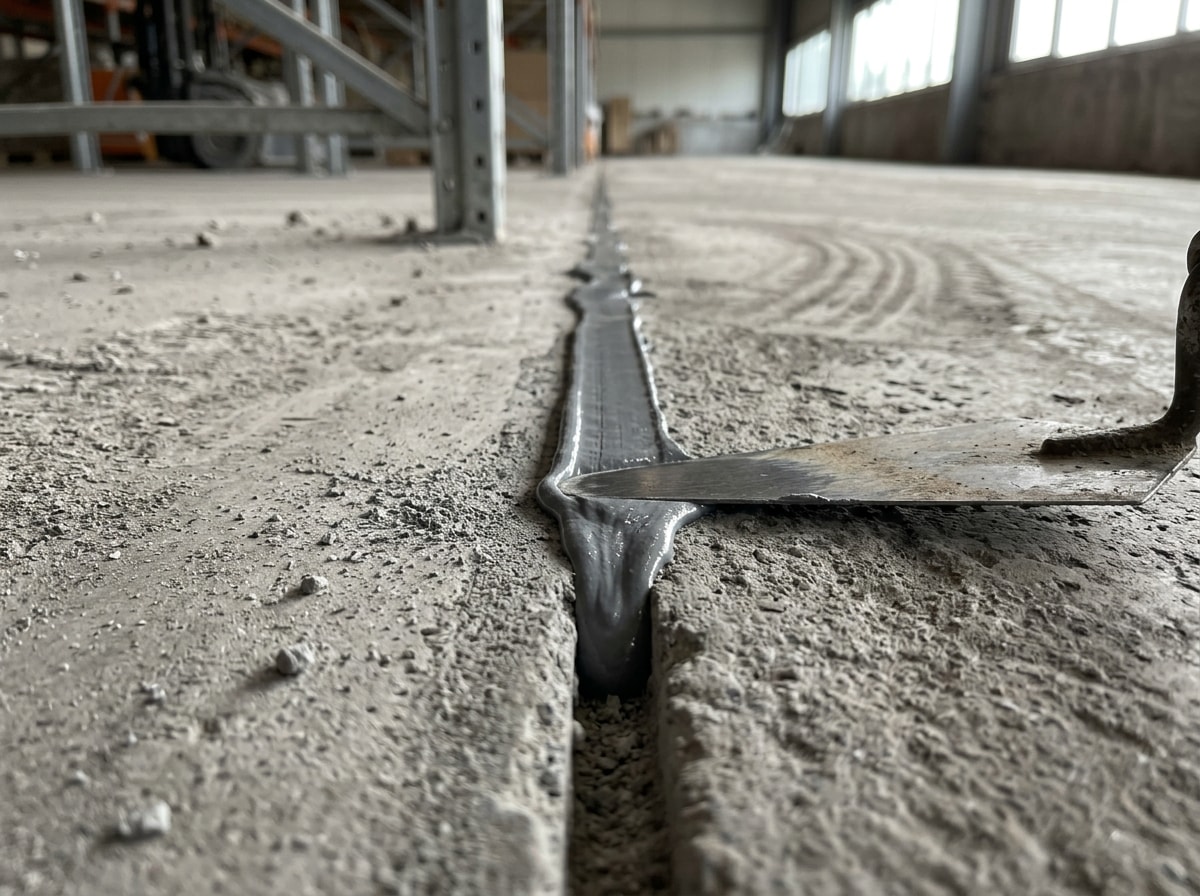
Not every project starts from scratch. Grinding and polishing restore worn industrial floors without a full tear-out. Joint filling and crack repair stop water intrusion before it undermines a slab's base. Concrete cutting, coring, and retrofitting handle utility upgrades and structural modifications on existing buildings, often paired with broader commercial interior renovation work.
Generally, repair makes sense when damage is surface-level or isolated. Full replacement becomes necessary when reinforcement has failed or subgrade settlement is widespread.
Cost Comparison: Concrete Applications for Commercial Projects (2026)
Lifespan, upkeep, and cost vary widely depending on the application. These are typical installed-cost ranges seen across Mid-Atlantic commercial projects in 2026, not fixed quotes, since site conditions change the math on every job.
| Application | Use Case | Avg. Lifespan | Cost Range (per sq. ft.) | Maintenance Frequency |
|---|---|---|---|---|
| Foundations/Slabs | Warehouses, plants | 30–50 years | $6–$12 | Low (every 10+ years) |
| Parking Lots | Lots, drive lanes | 20–30 years | $4–$8 | Moderate (3–5 years) |
| Sidewalks/Curbs | Pedestrian zones | 25–40 years | $5–$9 | Low (5–10 years) |
| Decorative Concrete | Entryways, plazas | 15–25 years | $8–$15 | Moderate (2–4 years) |
What Affects the Cost of Industrial Concrete Work in 2026
Cost swings on a handful of factors: slab thickness, reinforcement type, demolition of existing concrete, site access, and drainage corrections. Projects that need extra site prep or phased work around active operations generally cost more.
As a rough anchor, industrial-grade slabs typically run $7–$14 per square foot, while standard commercial flatwork runs $5–$9. Material costs are the variable most owners underestimate: the National Ready Mixed Concrete Association tracks ready-mix pricing nationally, and producer costs have trended upward for several consecutive years, which flows directly into bid pricing on any project ordering more than a few truckloads.
Permits and Codes for Industrial Concrete Work in Arlington, VA
Most new industrial or commercial concrete work in Arlington requires a commercial building permit through the county's Permit Arlington system, along with site, grading, and landscaping plans submitted for review. Larger projects, especially those in the Rosslyn-Ballston or Jefferson Davis corridors, may also need site plan approval from the County Board before a building permit is even issued, which is a separate, multi-month process from standard permitting.
A contractor who has pulled permits in Arlington before knows to flag this timeline early. One who hasn't will often quote a start date that assumes residential-style permitting speed, then blow the schedule once the project hits county review.
Why Work With a General Contractor for Industrial Concrete in Arlington, VA
Concrete is rarely the only trade on an industrial job. Excavation, utility coordination, structural steel, and final inspections all touch the same schedule. At Argo Contractor, our teams have walked Arlington sites where a concrete subcontractor poured a slab before utility rough-in was confirmed, which forced a section to be cut and repoured at the owner's expense. That's the kind of rework a coordinated commercial construction team is built to prevent.
Beyond the pour itself, a reliable partner protects pedestrian safety, supports ADA compliance, and adds long-term property value instead of a liability waiting to surface during an inspection. If your project also involves ground-up work, our new construction team can scope the full build, not just the flatwork, and our guide to warehouse contractors in Bethesda, MD covers how slab specs change for distribution-focused buildings specifically.
We also serve Washington, DC, Alexandria, VA, Fairfax, VA, and surrounding Northern Virginia markets alongside our Arlington, VA projects.
Get a free estimate before your next industrial or commercial concrete project breaks ground, so permitting, scope, and site logistics are locked in before the crew shows up.
FAQ
Can concrete work be coordinated with parking lot paving projects?
Yes. A contractor offering both scopes can sequence curb, sidewalk, and drainage work alongside parking lot paving, cutting down on repeat mobilization costs on the same site.
What is the difference between industrial and commercial concrete?
Industrial concrete is engineered for heavier point loads, abrasion, and chemical exposure, think factories and warehouses. Commercial concrete typically serves occupied buildings with lighter, more routine loads, like retail stores or offices, so mix design and reinforcement differ accordingly.
How much does industrial concrete cost per square foot?
Industrial-grade slabs generally run $7–$14 per square foot, higher than standard commercial flatwork, due to thicker pours, added reinforcement, and tighter flatness tolerances.
How long does commercial concrete need to cure before use?
Concrete typically supports light foot traffic within 24–48 hours and reaches most of its design strength by around 28 days. Heavy equipment and truck traffic should wait for full cure to avoid surface damage.
Do I need a permit for industrial concrete work in Arlington, VA?
In most cases, yes. New slabs, additions, and site concrete tied to a commercial building generally require a commercial building permit and site plans through Arlington County's Permit Arlington system before work starts.
What is a tilt-up concrete wall?
A tilt-up wall is a concrete panel cast flat on site, then lifted into place with a crane to form the building's exterior walls. It's common on distribution centers and flex buildings because it speeds up the construction timeline compared to block or steel framing.