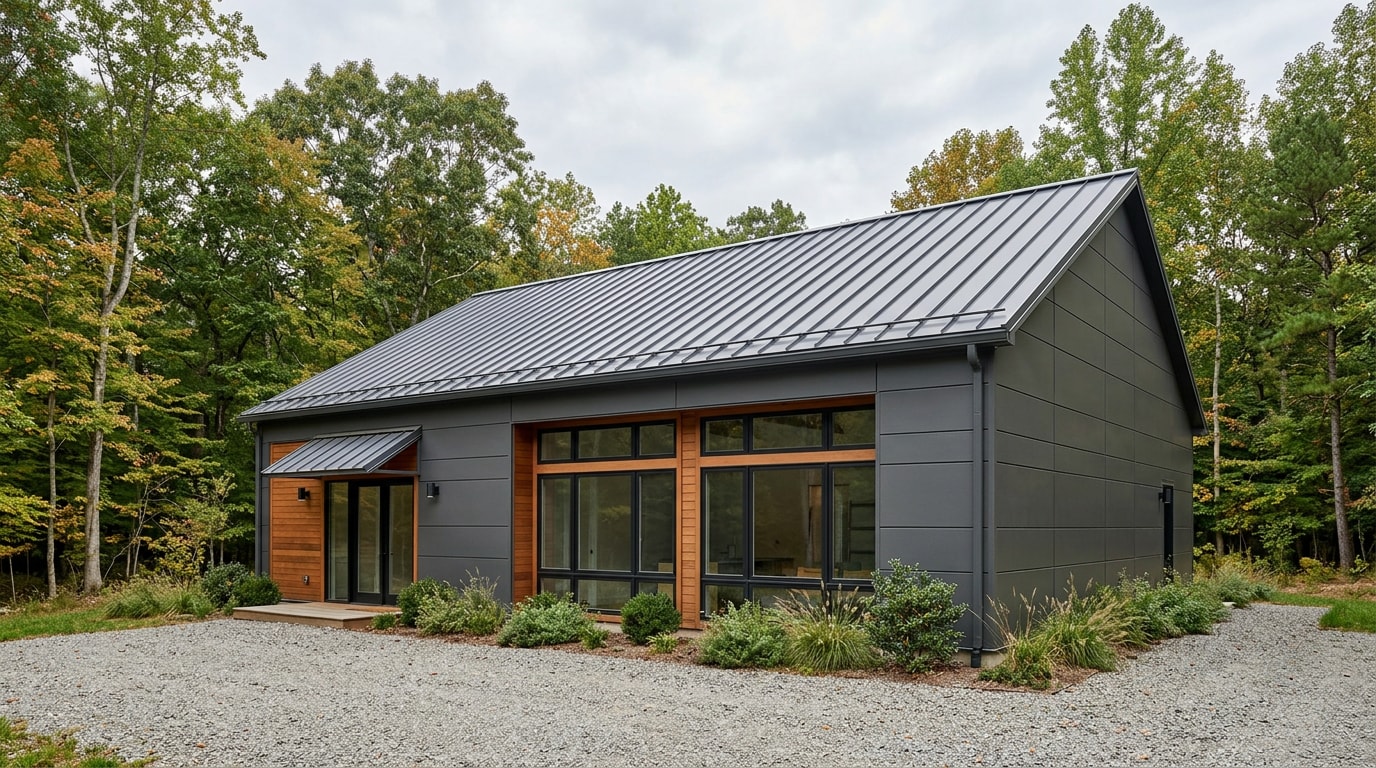
Figuring out how to find a metal building contractor in Leesburg, VA gets confusing fast, because most of the top search results are steel kit dealers, not licensed contractors who pull permits and manage a project start to finish. The difference matters: a dealer sells you steel, a contractor builds the structure and stands behind it after the crew leaves. This guide shows how to tell them apart and vet the right one before you sign anything.
What Makes a Good Metal Building Contractor?
A good metal building contractor has a proven track record of finished projects, keeps clients informed through every phase, and flags budget or schedule issues early instead of going silent mid-build. Past client reviews usually reveal more than any sales pitch ever will.
In Leesburg and the rest of Loudoun County, "good" also means a contractor who already understands the Town's zoning-then-county-permit sequence. A contractor unfamiliar with that local process can cost you weeks before a single footing gets poured.
Metal Building Dealer vs. General Contractor: Why the Difference Matters
Search for a metal building contractor near Leesburg and most of what comes back are national kit dealers: companies that sell a pre-engineered steel package and subcontract the installation to whoever's available locally. That's fine for a basic carport or storage shed.
It's a problem if your project needs site grading, a poured slab, electrical, HVAC, or a crew that's still around if something needs warranty attention next year. Here's the practical difference:
| Factor | Metal Building Dealer | Licensed General Contractor |
|---|---|---|
| What you're buying | A pre-cut steel package, often shipped in from out of state | A complete build: site work, slab, erection, trades, and permitting |
| Installation crew | Subcontracted locally, varies by job | Directly employed or managed in-house crews |
| Permitting | Usually left to the buyer | Typically pulled and managed by the contractor |
| Warranty follow-up | Routed through a national call center | A local point of contact who can return to the site |
| Best fit | Simple storage buildings, carports | Workshops, flex-use commercial buildings, anything needing trades |
In our own work managing general contractor projects across Loudoun County, the jobs that go sideways are almost always the ones where nobody clarified which side of this table they were actually hiring.
Where to Start Your Search
Start with people you trust. Ask friends, neighbors, or coworkers if they've worked with someone solid. A real story from someone local beats a polished ad every time.
From there, move to online research:
- Check Google and Houzz for reputation, and read how contractors respond to complaints rather than just scanning star counts.
- Check local trade associations or builder directories, which tend to screen out unreliable operators.
- Browse a contractor's site for completed, local projects before reaching out.
Browse our Leesburg and Loudoun County service area to see which parts of the region we currently build in.
Understand What Your Project Really Needs
Before contacting anyone, decide what the building actually has to do. Will it need electrical runs, HVAC, plumbing, insulated panels, or a specialized loading door? Defining scope upfront lets you compare proposals apples-to-apples instead of guessing at vague line items later.
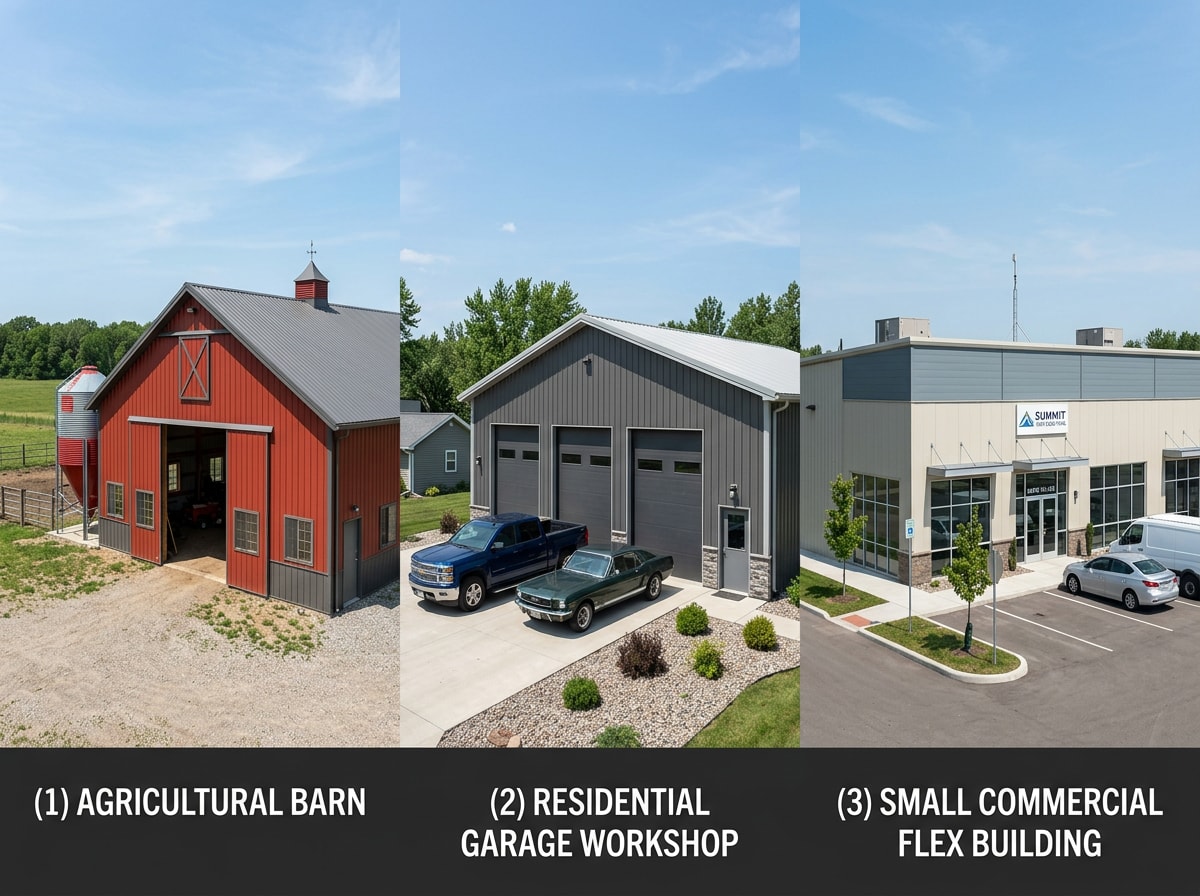
In Leesburg, that often means deciding between an agricultural or equestrian outbuilding, a home workshop, or a small commercial structure for flex space. Each has different structural and permitting implications. If you're weighing a metal structure against a traditional stick-built expansion instead, our Family Room Addition in Leesburg, VA guide breaks down cost and permit differences for that route.
Reviewing Experience, Portfolios, and Past Projects
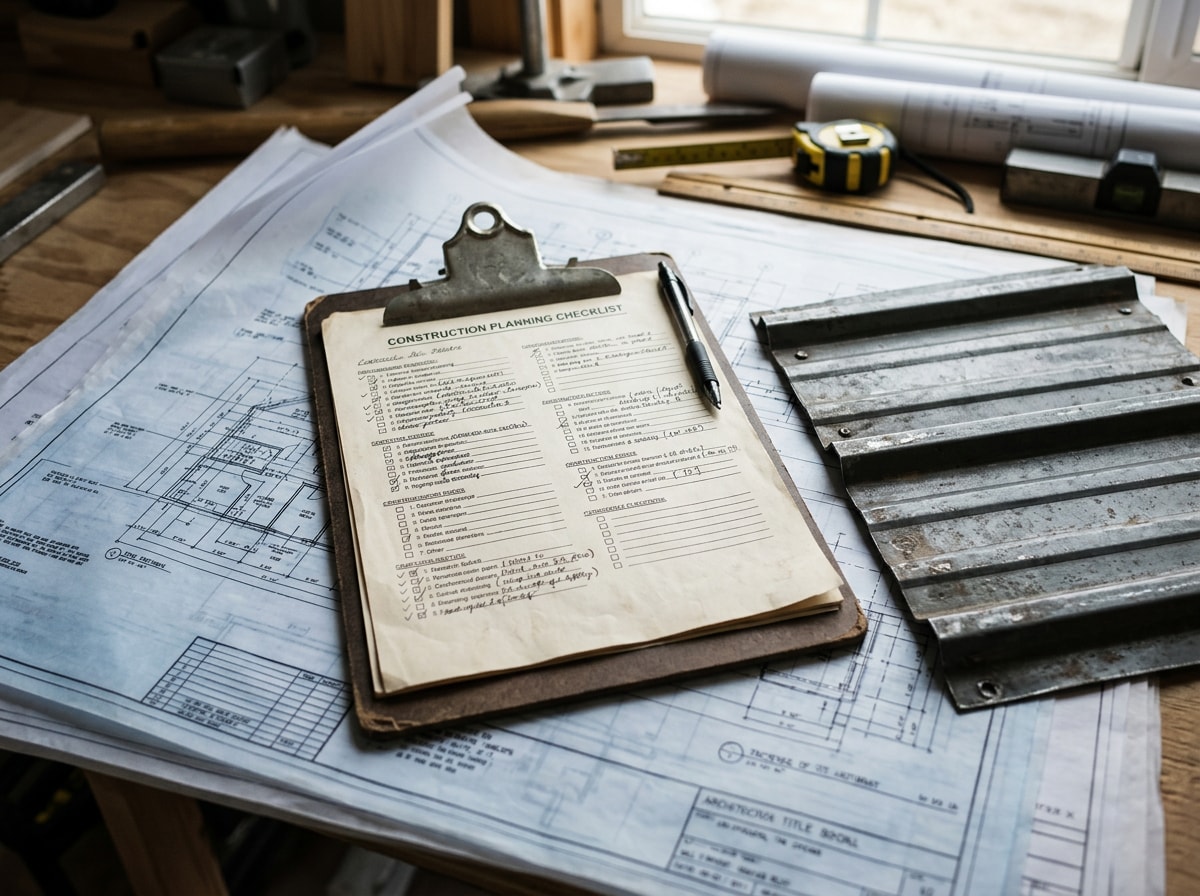
This step tells you whether a contractor's track record fits your project type before you request a quote. Photos should show more than a shiny finish; look at structural fit, trim quality, and overall consistency.
Not every contractor who builds barns has handled a commercial structure, and vice versa. Ask for examples of similar past projects completed within the last year, including photos, timelines, and references you can actually call.
Documentation requests should differ by project type, since Leesburg has all three in play:
| Project Type | What to Ask For |
|---|---|
| Equestrian/agricultural barn | Site photos showing ventilation, drainage, and stall layout; references from similarly-sized farm builds |
| Residential garage/workshop | Insulation and electrical rough-in photos; permit history for similar residential structures |
| Small commercial flex building | ADA compliance notes, engineering stamps, and references from commercial property owners |
For small commercial flex work specifically, see how we scope commercial construction projects before quoting. For a sense of what credentialed experience should look like on paper, the Metal Building Manufacturers Association is an industry association that promotes the design and construction of metal building systems within the low-rise, non-residential building marketplace , and its member standards are a useful benchmark when vetting erectors and engineers.
Verify Licenses, Insurance, and Credentials
Before anyone touches your project, confirm their paperwork. The Virginia Department of Professional and Occupational Regulation (DPOR) regulates and licenses contractors who have completed required testing. A legitimate contractor should produce a valid license and current insurance without hesitation.
Virginia also tiers contractor licenses by project size, which is worth knowing before you compare bids: Class C covers single contracts over $1,000 but less than $30,000, Class B covers $30,000 to less than $150,000, and Class A covers $150,000 and up with no upper limit. A contractor bidding a six-figure commercial structure on a Class C license is a red flag by itself.
If a contractor dodges questions about licensing, treat that as a reason to walk. To verify if a contractor is licensed, enter the license number or business name through the DPOR License Lookup before signing anything.
Confirm Knowledge of Local Building Codes & Permits
Metal buildings must meet local zoning rules, wind and snow load requirements, and structural codes. A contractor should speak confidently about permit timelines and inspection steps.
Contractors listed on a building permit application must have a valid Virginia State Contractors License and Loudoun County Business License to legally pull permits on your project. That's not optional paperwork, it's a requirement before anyone can apply for the permit at all.
Because Leesburg is an incorporated town within Loudoun County, the zoning step is handled differently than it is for unincorporated parts of the county: if your property is located in an incorporated town within Loudoun County, you submit an approved zoning permit from the town with your application. In practice, that means town zoning approval needs to be sorted before the county will process the building permit application, not simultaneously.
The Department of Building and Development conducts oversight of all phases of construction within Loudoun County , so confirming current requirements directly with that office before construction starts is worth the extra step. For a licensing check, start with the Virginia DPOR License Lookup and the county's own Hiring a Contractor guidance, and cross-reference permit requirements on Loudoun County's Building & Development page.
Compare Quotes and Pricing Beyond the Total Price
A professional contractor provides an itemized quote that separates materials, labor, upgrades, delivery, and optional add-ons, not just a single bottom-line number. That breakdown is what makes comparing quotes meaningful instead of guesswork.
Watch for the "creeping invoice" problem, where a quote mysteriously left out the slab, doors, or trim once work started. Ask for a written, fixed-price estimate, and treat a vague or defensive answer as an early red flag.
Given the size of this investment, don't settle on the first bid you receive. Getting at least three quotes is standard practice. Request a personalized quote once you've narrowed your list.
Questions to Ask Before Hiring
Once you've shortlisted a few contractors, these questions turn the vetting criteria above into an actual conversation.
Who's My Point of Contact?
Ask who actually owns your project day to day: one dedicated person, or a rotating mix of salespeople and subcontractors. You want a name and a direct line, not a call-center ticket number that resets your explanation every time you call.
Are These Your Own Crews?
Builders who hand off everything to subcontractors often lose control over scheduling and quality. When something goes wrong, no one takes ownership. Crews that work directly for the company are usually how a contractor can realistically stand behind a construction timeline.
What Happens If Something Goes Wrong After Installation?
Ask this before signing, not after a problem shows up. A dealer-installed building often routes warranty issues through a national call center with no local crew to send. A contractor with local crews can typically schedule a return visit directly, which is one more reason the dealer-vs-contractor distinction above matters.
Key Takeaway
Finding the right metal building contractor comes down to three things: proven experience, proper licensing, and clear communication. Get multiple quotes, check references, and avoid any contract that reads vague on scope or price.
As a Loudoun-area general contractor ourselves, we handle the new construction side of projects like these directly rather than subcontracting the whole job out. If you're ready to move forward, get a free estimate and get a Leesburg-specific quote started.
FAQ
How Do You Find the Right Metal Building Contractor?
Verify their state license and insurance, review recent past projects with photos and references, and compare at least three itemized quotes. A contractor who answers these requests without hesitation is usually the one you want.
What's the Difference Between a Metal Building Dealer and a Contractor?
A dealer sells a steel package and subcontracts installation; a contractor manages the full build, including site work, slab, permitting, and trades, and is typically the one who returns for warranty issues. Check which one you're actually talking to before you get a quote.
How Do I Choose a Metal Building Contractor?
Weigh licensing and insurance, project-relevant experience, multiple written quotes, and honest reviews together rather than any single factor. A site visit and a clear, written contract before work begins also help confirm you're choosing well.
Do I Need a Permit for a Metal Building in Leesburg, VA?
Most permanent metal structures in Leesburg need a Town zoning permit first, followed by a Loudoun County building permit. Exact requirements vary by building size, use, and setback location, so confirm specifics with the county before construction starts.
How Long Does Permitting Take in Loudoun County?
Timelines vary by project size and current review volume, and there's no single fixed number that applies to every structure. Confirm current review timelines directly with the Loudoun County Department of Building and Development before you finalize a construction schedule.
How Much Does It Cost to Hire a Metal Building Contractor in Leesburg, VA?
Costs vary significantly based on building size, steel gauge, foundation work, and local code requirements, so there's no single reliable number to quote here. The most accurate way to budget is to request a personalized quote based on your specific project scope.