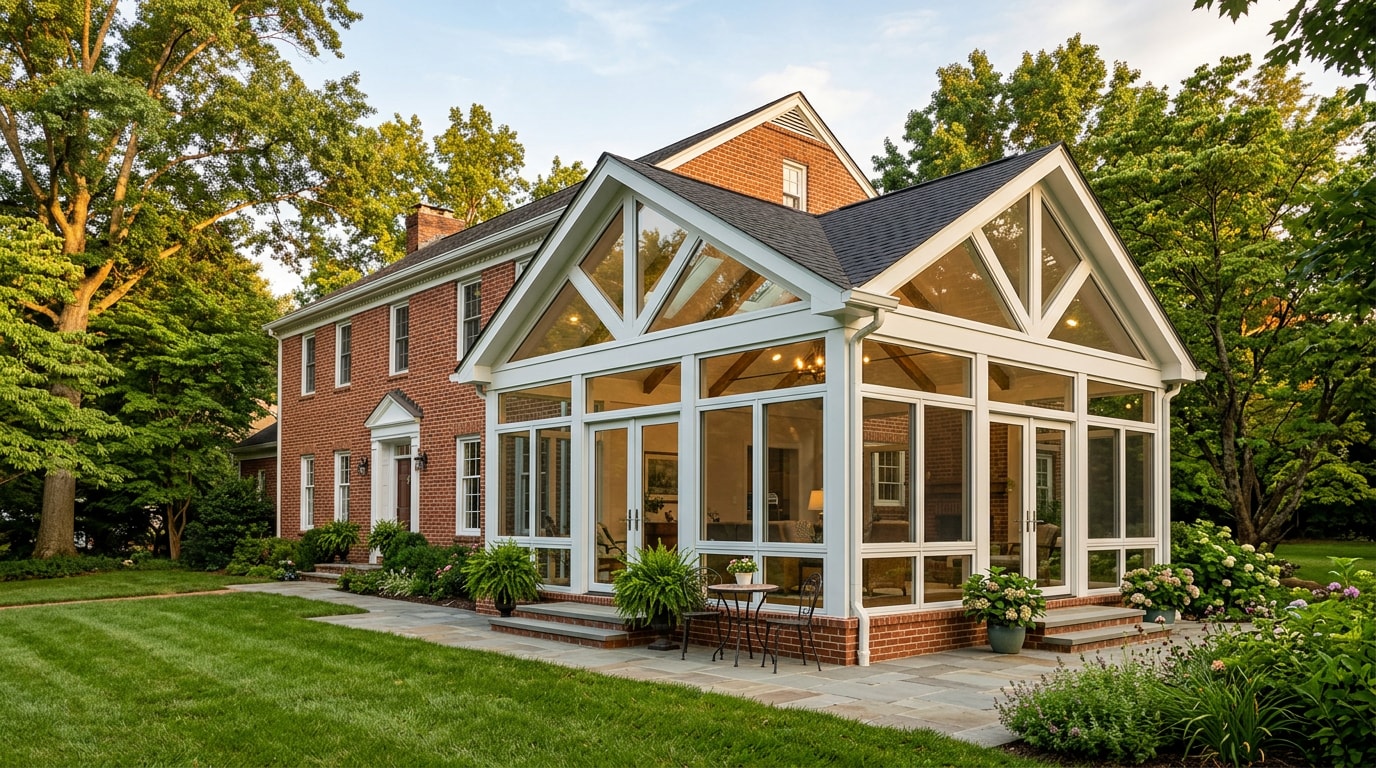
Sunroom construction in Vienna, VA gives homeowners extra living space without the cost or disruption of a full-scale addition. Most projects reuse an existing porch or deck footprint, which keeps the budget and timeline tighter than a ground-up expansion. This guide covers styles, 2026 pricing, materials, and the permit steps that catch Vienna homeowners off guard most often.
Sunroom Styles for Vienna Homes
Vienna homeowners typically choose from six sunroom styles, and the right one depends on whether the space is for daily living or occasional use.
- Year-round (four-season): Insulated glazing tied into the home's HVAC system for use in every month.
- Three-season: Large windows and optional portable heat, but no full HVAC integration.
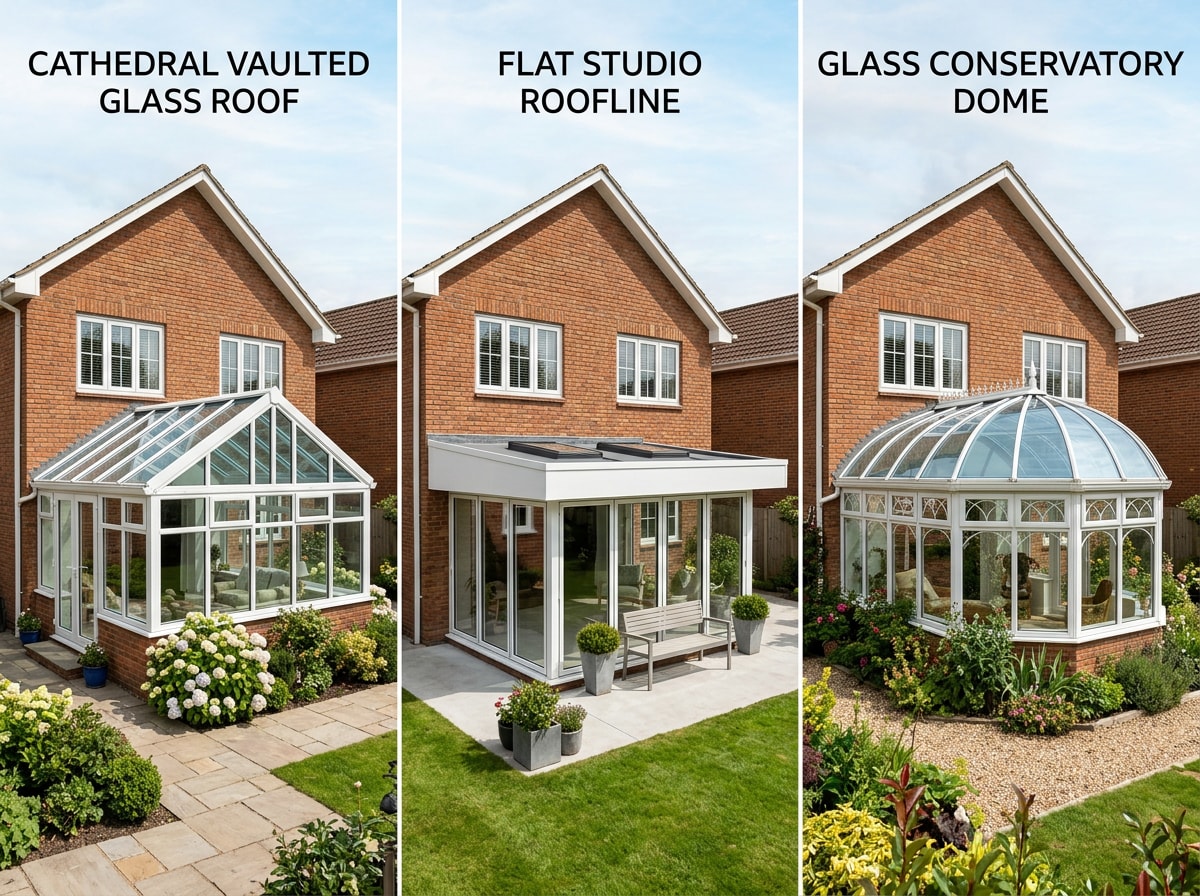
- Studio: A flat roofline that keeps costs lower while still adding real square footage.
- Cathedral: A sloped, vaulted ceiling suited to a formal living room extension.
- Conservatory: Glass-heavy design often used as a plant room or bright breakfast spot.
- Walls-only: Closer to an enclosed porch than a fully finished living space.
A cathedral-style room tends to suit homeowners who want a dramatic, formal space, while a studio sunroom works as a flexible, lower-cost add-on. Conservatory-style rooms lean decorative, and walls-only designs are closer to a screened porch upgrade than a true four-season room.
Sunroom Construction Costs in Vienna, VA
Pricing swings widely based on size, glazing, and whether the room ties into the home's existing HVAC system. The table below reflects typical ranges for the Northern Virginia market in 2026.
| Sunroom Type | Typical Size | Approximate Cost Range | Conditioning |
|---|---|---|---|
| Walls-only / enclosure | 150-300 sq ft | $15,000 - $30,000 | None |
| Three-season | 150-300 sq ft | $25,000 - $45,000 | Portable heat only |
| Studio | 100-250 sq ft | $20,000 - $40,000 | Optional |
| Conservatory | 150-300 sq ft | $40,000 - $85,000 | Full HVAC tie-in |
| Cathedral | 200-400 sq ft | $50,000 - $100,000+ | Full HVAC tie-in |
| Four-season (year-round) | 150-300 sq ft | $45,000 - $90,000 | Full HVAC tie-in |
Reusing an existing porch or patio slab cuts costs significantly compared to building a new foundation. A four-season room costs more up front because it requires foundation work, ductwork or a dedicated mini-split, and insulated, low-E glazing rather than basic double-pane glass.
Permits: Fairfax County AND Town of Vienna
This is the step that surprises the most homeowners, and it's the one piece of local detail most sunroom guides skip entirely.
A sunroom is legally an addition, so it requires a building permit no matter which style you choose. A permit is required for most new residential construction, including decks, sunrooms, screen porches, and second story additions.
You'll need a residential addition building permit, a mechanical permit for any new heating and air conditioning system, an electrical permit, and a plumbing permit if fixtures are added. The full process runs through Fairfax County's Land Development Services portal.
Here's the part that's easy to miss: Vienna and Clifton residents require additional approval from their respective towns. That means a county permit alone is not enough if your property sits inside Vienna town limits.
The Town of Vienna separately reviews the addition or modification of residential additions, screened porches, decks, bay windows, and similar exterior work , and once a Fairfax County permit is required, all submission materials go to Fairfax County first, and the applicant then applies through the Town of Vienna's Applications & Permit Review Portal, providing the county permit number for the town's review. In practice, that's two review cycles stacked back to back, not one.
In more than a decade coordinating additions across Fairfax County, I've watched homeowners budget six weeks for permitting, only to discover the Town of Vienna's review adds another two to four weeks on top of the county's timeline. Build that buffer into your schedule before you pick a start date.
For Vienna-specific planning details, our Vienna, VA service area page covers how local zoning and setback rules factor into sunroom placement.
Materials: What Actually Holds Up in Northern Virginia Weather
Sunroom construction generally comes down to three framing choices: fiberglass, vinyl or aluminum, and traditional stick-built wood framing.
- Fiberglass: Strong, low-maintenance, and a good insulator; frames can be foam-filled for added performance.
- Vinyl/aluminum: Low maintenance with solid thermal performance, though heavier use may require reinforced sills.
- Stick-built wood: Matches a home's existing architecture most closely but needs more ongoing maintenance.
Northern Virginia's humid summers and cold winters make glazing choice matter more than it would in a milder climate. Fiberglass frames are strong, durable, low maintenance, and provide good insulation, while vinyl frames are also low maintenance and provide good thermal insulation, with both types sometimes filled with foam for added performance. When comparing bids, ask whether the glazing meets ENERGY STAR's current performance criteria for your climate zone, since "sunroom" glass quality varies enormously between builders. Most reputable manufacturers back their framing and glazing systems with material warranties of 10 years or more, which is worth confirming in writing before signing a contract.
Three-Season Room vs. Four-Season Sunroom
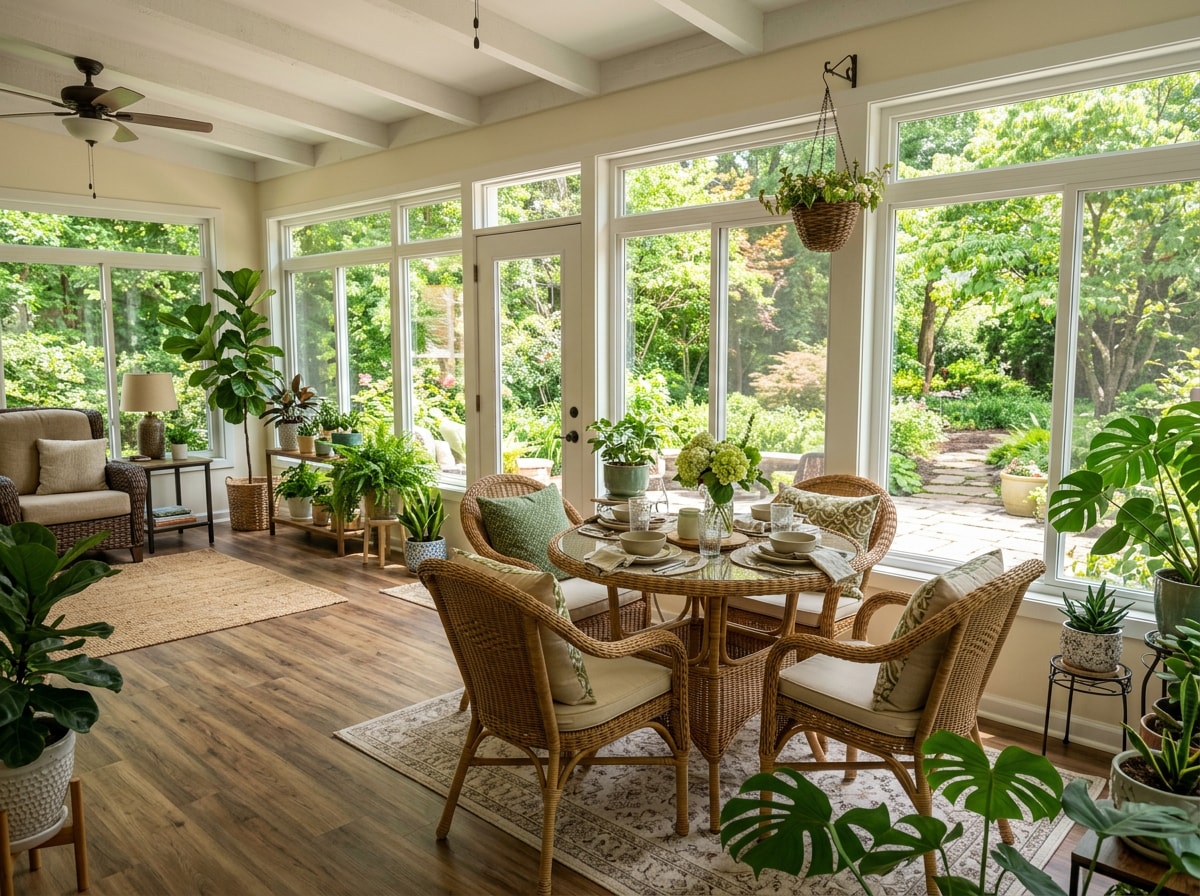
A three-season room is built for spring, summer, and fall use. It typically features large windows, an optional standalone heater, and sometimes removable glass panels, but it isn't tied into the home's HVAC system and usually uses basic double-pane glass rather than insulated, low-E glazing.
A four-season sunroom uses insulated glazing connected to central heating and cooling, which is what allows it to function as usable living space in January as well as July. That distinction drives most of the cost gap between the two options, since a four-season build adds foundation work, ductwork or a mini-split, and higher-performance glass.
Does a Sunroom Add Resale Value?
It helps to look past marketing claims and toward actual remodeling data here. The National Association of Realtors' Remodeling Impact research tracks cost-recovery estimates across dozens of project types, and room additions like sunrooms typically land toward the lower end of that range compared to kitchen and bath remodels. That doesn't make a sunroom a bad investment. It makes it more of a lifestyle purchase that happens to return some value at resale, so the decision should weigh daily enjoyment as heavily as any recoup percentage.
What a Full-Service Sunroom Contractor Handles
A licensed, design-build contractor manages the entire project instead of handing pieces off to subcontractors with no central oversight. That typically includes:
- Designing the addition to match the home's existing rooflines, siding, and trim
- Carrying proper licensing, bonding, and insurance
- Pulling and tracking both Fairfax County and Town of Vienna permits
- Coordinating structural, electrical, mechanical, and plumbing trades
- Guiding the homeowner through every phase, from design sketches to final inspection
This approach produces fewer surprises than piecing together a design firm, a permit expediter, and a construction crew separately. When vetting a contractor, ask directly how many of these roles they handle in-house versus subcontract out. You can browse completed projects on our general contractor services page or see examples of finished work on our projects page.
How Vienna Homeowners Use Their Finished Sunrooms
The style chosen usually dictates the best use case for the finished space.
- Cathedral: Formal living room or entertainment space for guests
- Three-season: Casual lounging, a breakfast nook, or a reading corner
- Conservatory: Plant room or a bright spot for morning coffee
- Studio: Flexible home office or playroom
- Four-season: Year-round living room, home gym, or hot tub/spa room
Pairing a Sunroom With a Larger Home Addition
Homeowners sometimes fold a sunroom into a bigger project rather than building it alone. Common pairings include second-story additions, garage additions, in-law suite additions, and basement or attic renovations. Bundling projects can streamline permitting and reduce overall disruption since the design team and crew are already on-site, though plenty of Vienna sunrooms are built as standalone projects with no issue.
For homeowners weighing a bigger scope, our home additions service page outlines the other addition types available through the same design-build process. If you're earlier in the planning stage and considering a full remodel instead, our guide on new home building in Vienna, VA walks through how that process differs from an addition.
Ready to see what a sunroom would look like on your own home? Request a free estimate and we'll walk the property, talk through styles and permit timelines, and give you a real number before you commit to anything. You can also start by browsing our homepage for a full look at our design-build services across Northern Virginia.
FAQ
How much does a sunroom addition cost in Vienna, VA?
Most projects run between $20,000 and $90,000 depending on style. Walls-only enclosures sit at the low end, while fully insulated four-season rooms with HVAC tie-in and foundation work land at the high end.
Do I need a permit to build a sunroom in Vienna, VA?
Yes, and it's a two-step process locally. You'll need a Fairfax County residential addition building permit first, then a separate Town of Vienna review if your property is within town limits. Plan for both timelines, not just one.
Does a sunroom add value to my home?
It adds some resale value, but national remodeling data shows room additions typically recoup less than kitchen or bath projects. Most homeowners build a sunroom for daily enjoyment first and resale value second.
What's the difference between a three-season room and a four-season sunroom?
A three-season room uses basic glazing with no HVAC integration, so it's comfortable in mild weather only. A four-season sunroom uses insulated glazing tied into the home's heating and cooling system for year-round comfort.
Can I convert an existing porch or deck into a sunroom?
Often, yes. Many Vienna homes already have a porch or patio slab that can serve as the new foundation, which cuts cost compared to building from scratch. An enclosed structure does count differently toward lot coverage than an open deck, so verify that with your contractor before committing to the footprint.
How long does sunroom construction take in Vienna, VA?
A straightforward three-season or studio build often takes 6-10 weeks once permits clear. Four-season rooms with full HVAC and foundation work typically run 10-16 weeks, and that's before accounting for the Town of Vienna's additional permit review on top of the county's timeline.
---
This guide was reviewed by ARGO Contractor's design-build team, which manages home addition permitting across Fairfax County and the Town of Vienna. For project-specific guidance, contact our team directly.