Sunrooms in Alexandria, VA add living space and natural light to homes from Old Town to Del Ray, but the right structural type, budget, and permit path all depend on your lot and your home's age. This guide breaks down the three sunroom categories homeowners here actually build, current local cost ranges, and the Board of Architectural Review steps that apply inside the historic districts. Read through before your first design conversation so the numbers aren't a surprise.
Types of Sunrooms for Alexandria, VA Homes
Alexandria homeowners generally choose between three structural categories: three-season, four-season, and the less common two-story configuration built over a ground-floor patio. Each option differs in insulation, HVAC integration, and how it affects a home's lot coverage and appraised square footage.
Three-Season Sunrooms
A three-season sunroom uses minimal insulation and skips full HVAC, relying instead on large windows and ventilation for comfort in spring, summer, and fall.
It suits homeowners who want extra living space without the cost of year-round climate control.
Local pricing for a full addition-grade three-season room tends to fall in the $90,000–$150,000 range. Prefab or porch-enclosure versions run lower, so confirm current figures before budgeting.
Four-Season Sunrooms
Four-season sunrooms add proper insulation, energy-efficient glazing, and a dedicated HVAC system or mini-split, making them usable in any Virginia winter. Looking for glazing that holds up to summer heat and winter cold, builders typically spec windows that meet ENERGY STAR performance criteria for the mid-Atlantic climate zone.
Because they're built to the same comfort standard as the rest of the house, appraisers are more likely to count them as conditioned living space. That added functionality puts four-season rooms at a noticeably higher price tier than their three-season counterparts.
Two-Story Sunroom Additions
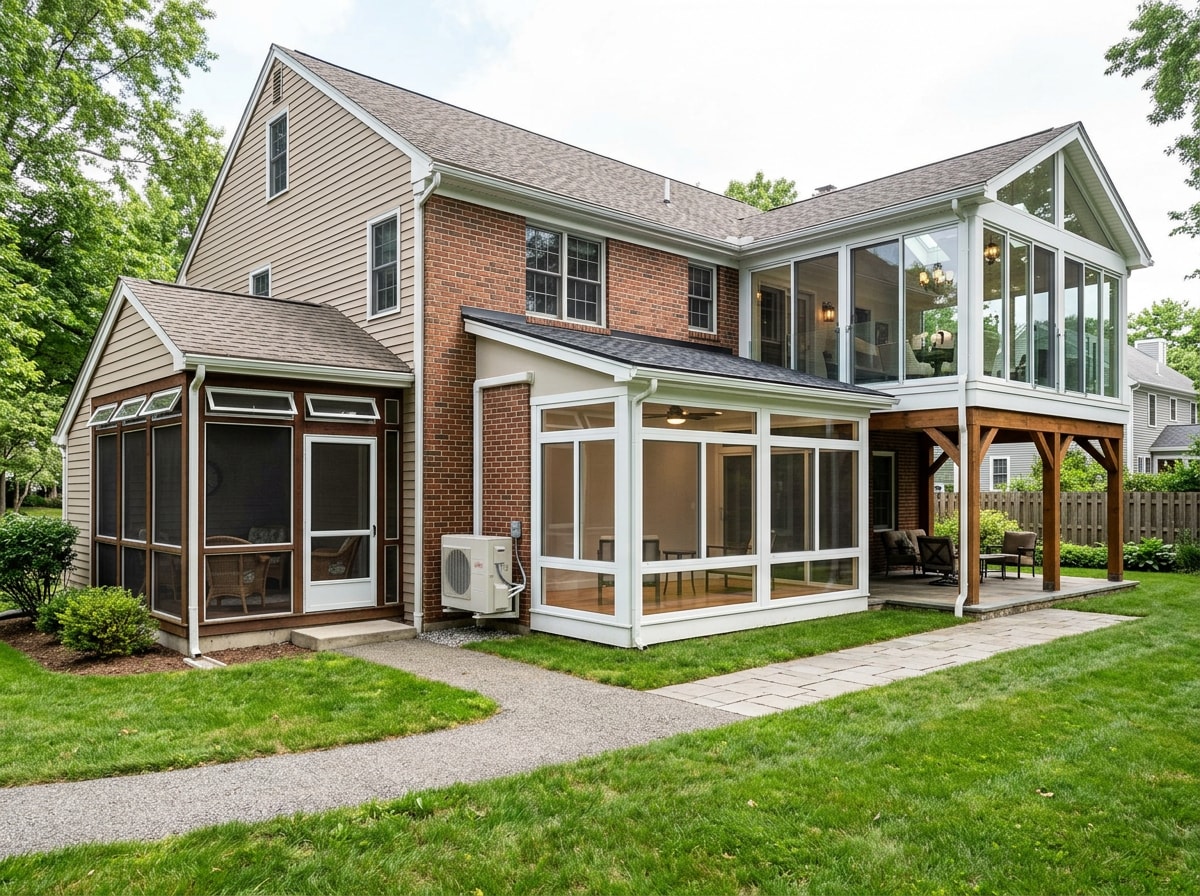
On tighter Old Town and Del Ray lots, some homeowners build a sunroom over a covered patio rather than expanding outward, especially where lot coverage limits restrict a single-story addition. This two-story, elevated configuration adds square footage on two levels while keeping the home's footprint compact. For a deeper look at how these additions get planned and permitted in this specific city, see our house addition contractors guide for Alexandria.
Sample Alexandria Sunroom Budgets
In our design-build consultations across Old Town and Del Ray, the first question is almost always whether the room needs to stay comfortable in January or just extend the porch season. That single answer sets the entire budget, far more than finish choices do.
| Sunroom Type | Typical Local Budget | What's Included |
|---|---|---|
| Three-Season | $90,000–$150,000 | Large windows, ventilation, no dedicated HVAC |
| Four-Season | $135,000–$250,000+ | Full insulation, energy-efficient glazing, HVAC or mini-split |
| Two-Story | $250,000–$450,000+ | Elevated sunroom over covered patio, engineered footings for combined loads |
These figures shift with material choices, site conditions, and whether the room ties into existing framing or starts from a new foundation. Treat them as a starting point, not a quote. Request a free estimate to get numbers specific to your lot.
Sunroom Design Styles in Alexandria
Alexandria's mix of historic rowhouses and newer suburban homes supports a range of architectural approaches once the structural type is settled.
Transitional & Traditional Sunroom Styles
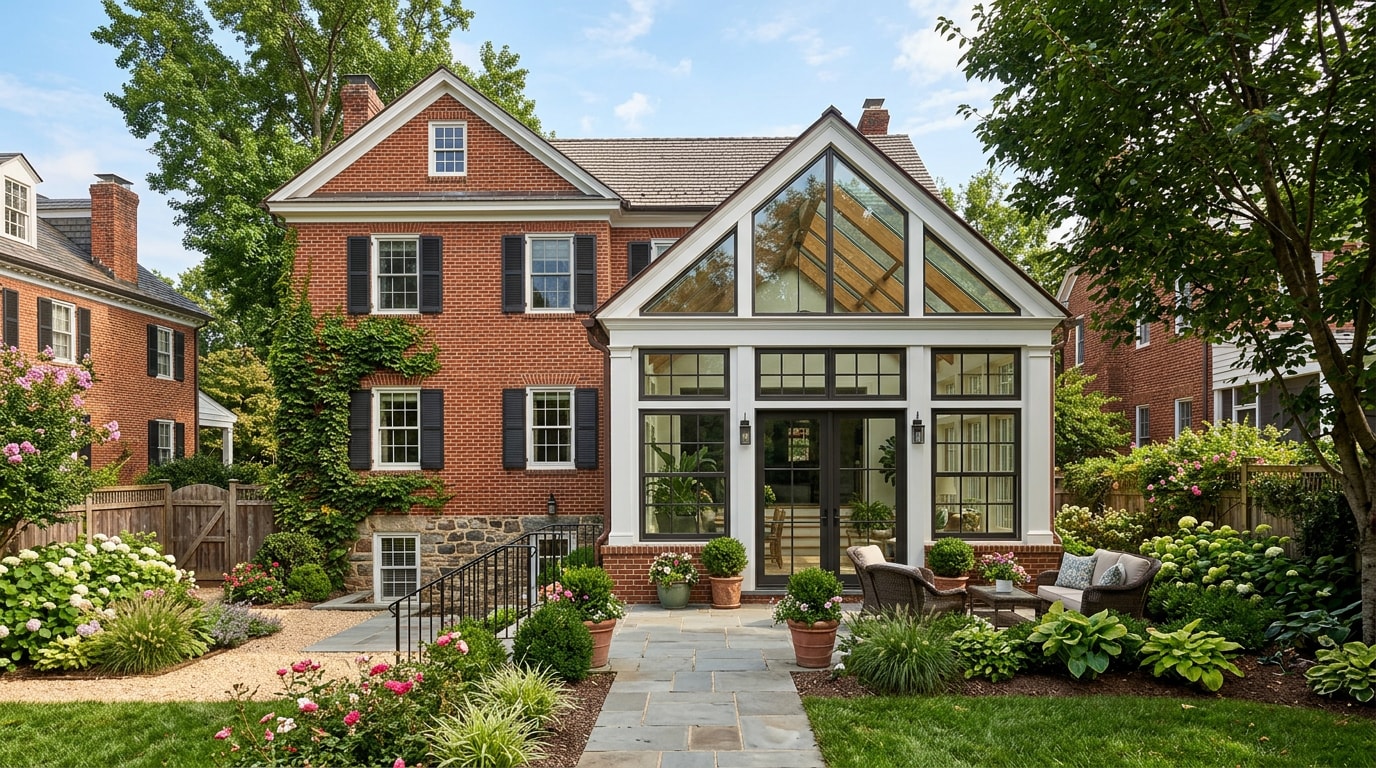
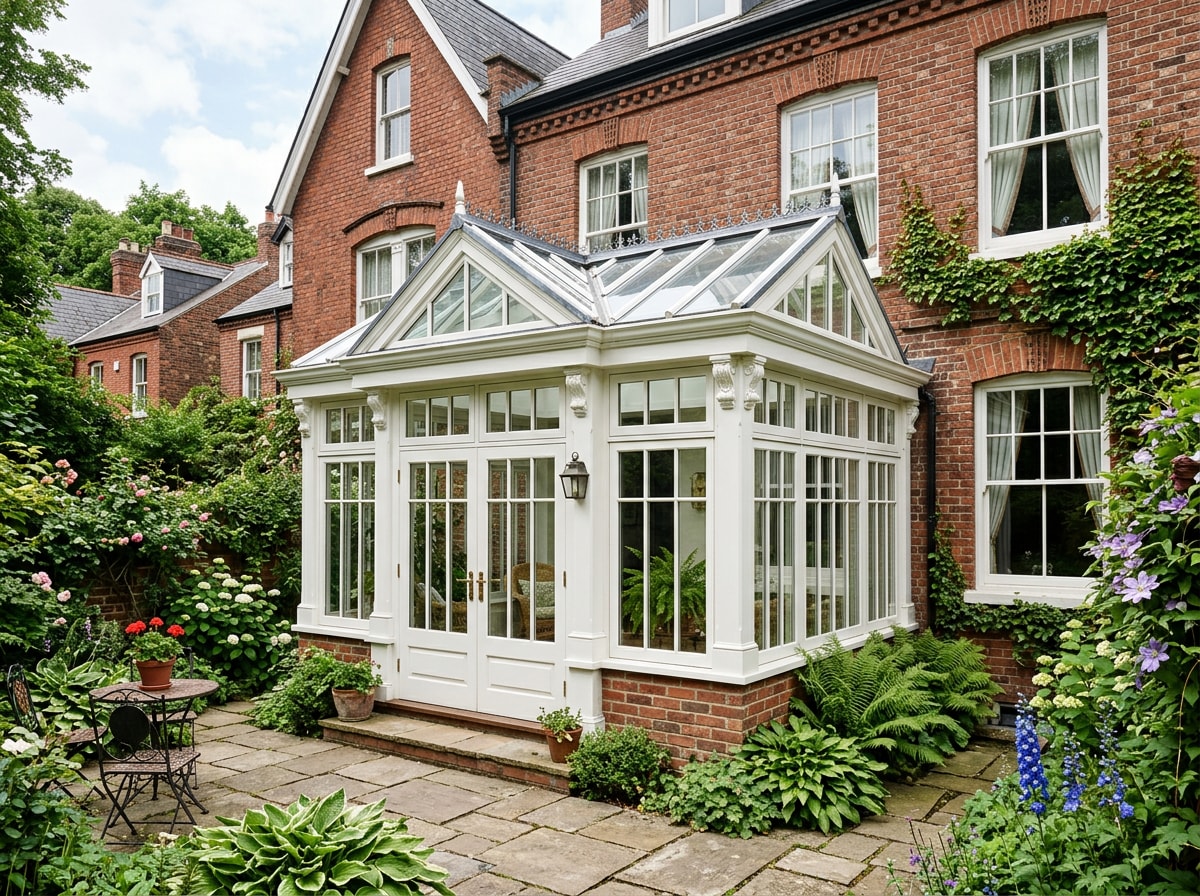
A transitional sunroom blends traditional detailing with contemporary lines, pairing simpler trim with larger glass panels. A traditional or timeless style leans into classic millwork and proportions that match older Alexandria architecture more closely. Neither choice changes the structural category. It's purely how the room looks against the existing house.
Converting a Screened Porch Into a Sunroom
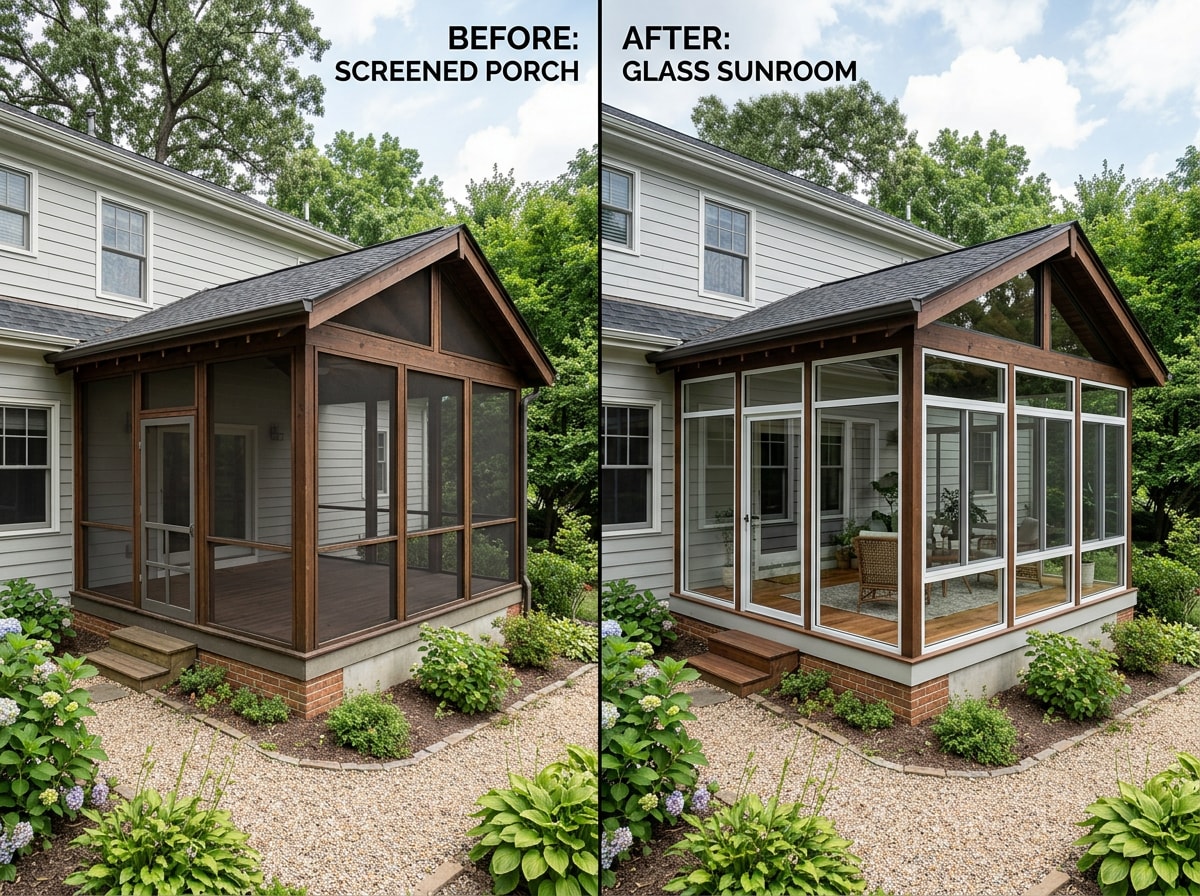
Many projects start as a screened porch upgrade rather than a full addition. Builders typically tailor the design to the home's existing rooflines and siding, use durable, weather-rated materials, and offer climate-controlled glazing for year-round comfort.
Homeowners can choose an open, screened-in configuration or go fully enclosed with glass walls and a solid roof. Converting an existing screened porch into an enclosed sunroom is often more cost-effective than building a new structure from the foundation up, since the framing and roof are already in place.
If a screened porch, patio cover, or full addition is on the table, our home addition services page covers how each option is scoped and priced.
What Drives Sunroom Cost Up in Alexandria
Once design style is settled, several Alexandria-specific factors shape the final price. Foundation depth has to account for the local frost line. Framing often needs to tie into an older home's existing structure. A glass-heavy roof requires additional structural support beyond what a standard addition needs.
Historic District (BAR) Review
Homes within Old and Historic Alexandria, Parker-Gray, or another historic overlay need Board of Architectural Review (BAR) approval before any visible exterior change, including a sunroom. The city requires a Certificate of Appropriateness issued by the Board of Architectural Review (BAR) or by Preservation staff... for all new construction and exterior alterations to structures that are within a local historic district and are visible from a public right of way.
Because the BAR reviews applications on a set hearing schedule, submission timelines often add several weeks to a project's front end, longer if revisions are requested. Reviewers tend to focus on materials, window proportions, and how the new roofline reads from the street, since a sunroom visible from public right-of-way gets more scrutiny than one tucked behind a home. Check the City of Alexandria's Historic Preservation page before finalizing a design to see current submission deadlines.
Outside historic overlays, a standard building permit still applies statewide under the Virginia Uniform Statewide Building Code, which covers additions, structural work, and mechanical tie-ins for a conditioned sunroom.
Working through either process yourself takes time away from the actual build. Our team manages BAR submissions and permit filings as part of the project, so contact us to talk through what applies to your address.
Browse recent project examples or visit our homepage for more on how we approach additions in Alexandria.
FAQ
How Much Does a Sunroom Addition Cost in Alexandria, VA?
Costs generally range from about $90,000 for a three-season room to $450,000+ for a two-story configuration, depending on size, insulation, and finishes. See the budget table above for specifics.
Do I Need a Permit for a Sunroom in Alexandria?
Yes. A building permit is required statewide under Virginia's Uniform Statewide Building Code. Homes in a historic overlay also need BAR approval before that permit is issued. Our Alexandria, VA service area page covers what applies in your neighborhood.
How Long Does It Take to Build a Sunroom Addition in Alexandria?
Most projects take a few months from design through construction. Historic district review can extend the front end of the timeline by several weeks before building even starts.
What's the Difference Between a Three-Season and Four-Season Sunroom?
A three-season room skips full insulation and HVAC, relying on windows and ventilation. A four-season room adds insulation, energy-efficient glazing, and heating and cooling, so it's usable through winter and typically counts as conditioned living space.
Can I Convert an Existing Screened Porch Into a Sunroom?
Yes, in most cases. Reusing existing framing and roofline keeps costs below a ground-up addition, though the conversion still needs a permit and, in historic districts, BAR approval for any visible changes.
Does a Sunroom Add Value to a Home in Alexandria?
Four-season sunrooms tend to hold resale value better than three-season rooms because appraisers more often count conditioned space toward a home's living area. Three-season rooms are treated more like outdoor living space. Either way, budget for the room because you'll use it, not purely as a resale play.