Cladding contractors in Leesburg, VA get more calls right after a hard freeze than at any other time of year, when panels that looked fine all summer suddenly crack or pull loose. Loudoun County's freeze-thaw winters, humid summers, and strict historic-district rules make siding decisions here different from the rest of Northern Virginia. Here's what actually drives cost, timeline, and approval before you sign anything.
Warning Signs Leesburg, VA Homeowners Shouldn't Ignore
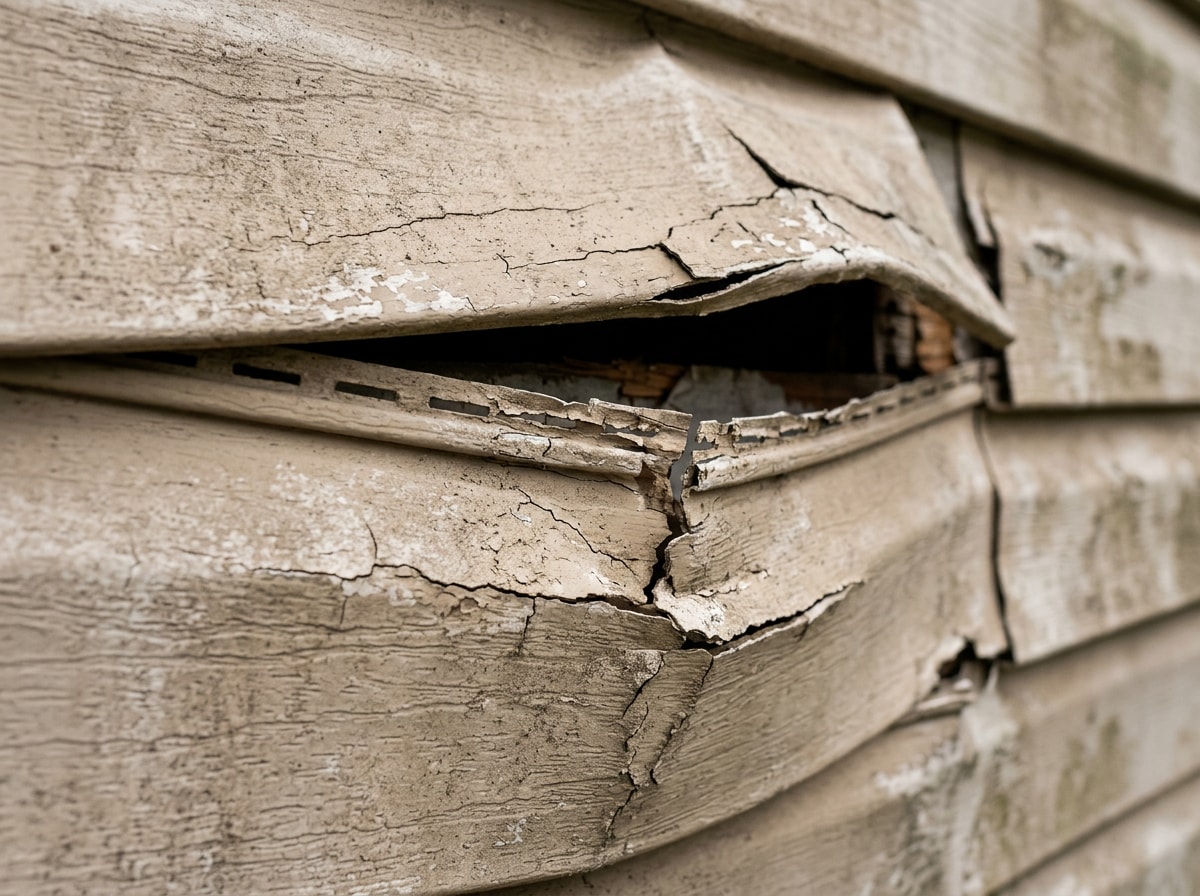
A few signs mean it's time to call a cladding contractor rather than wait: warped or buckling panels, cracking near seams, peeling interior paint, a musty smell near exterior walls, and chalky, faded color. Each one points to moisture or structural damage that goes beyond a simple patch.
Warping, Buckling, or Bowing
Panels that warp, buckle, or bow are usually reacting to heat exposure, improper nailing, or moisture trapped behind the surface. Vinyl and engineered wood are especially prone to this when installed too tightly, since they can't expand and contract naturally. Once a panel deforms, it rarely lies flat again, so spot repairs tend to fail quickly.
Cracking or Holes
Small cracks near seams or fastener points look minor but let water behind the cladding every time it rains. Left through one or two Leesburg winters, that moisture can rot the wood sheathing underneath, turning a simple patch into a larger structural repair.
Peeling Paint or Wallpaper Indoors
Peeling paint or bubbling wallpaper on interior walls rarely starts indoors. It's usually a sign moisture has already worked through a failed exterior cladding system into the wall cavity, which means the exterior problem has likely been active for months.
Mold, Mildew, or a Musty Smell
Surface mold that wipes away with a cleaner is usually cosmetic. A musty smell near exterior walls, or mold that keeps returning in the same spot, often points to moisture trapped behind the panels, something a visual check from the outside won't catch.
Faded or Chalky Color
A chalky residue that rubs off on your hand means the finish coat has broken down past the point a wash can fix. UV exposure through Leesburg's summers accelerates this, and chalking is often one of the earliest visible signs of aging cladding.
Verifying Cladding Contractors in Leesburg, VA
Before signing a contract, three things are worth confirming regardless of material or contractor: license status, insurance coverage, and permit responsibility. Skipping this step is one of the most common regrets homeowners report after a siding project goes wrong.
License status. Virginia contractor licensing runs through the Virginia Board for Contractors, and the classification matters, since some licenses don't cover exterior cladding work specifically. Confirm the license number is active and properly scoped before signing anything. The vetting steps overlap closely with what we cover in our guide to finding a vetted metal building contractor in Leesburg, including how to read a license class correctly.
Insurance. Request a certificate of insurance sent directly from the contractor's carrier, not a copy handed over by the contractor. Both general liability and workers' compensation matter: liability coverage protects your property during the project, while workers' comp protects you if someone is injured on your site.
Permits. Permit requirements for siding work in Leesburg are set by the local building authority and vary by project type. A like-for-like panel swap sometimes qualifies for a simpler process than a full tear-off or historic-district project. Check with your Leesburg service area contractor early to confirm which category applies to your scope, since getting this wrong mid-project causes the most schedule delays we see.
What Siding Costs in Leesburg, VA
Installed cladding costs vary by material, home size, and site conditions, but rough per-square-foot ranges help set expectations before you request quotes.
| Material | Typical installed cost (per sq. ft.) | Maintenance level | Best fit in Leesburg |
|---|---|---|---|
| Vinyl | Lowest of the group | Low | Budget-conscious, non-historic homes |
| Engineered wood | Mid-range | Low to moderate | Wood look without full wood upkeep |
| Fiber cement | Mid to upper range | Low to moderate | Fire and impact resistance, longevity |
| Metal panel | Upper range, varies by profile | Low | Modern or commercial-style exteriors |
| Wood or cedar shake | Highest of the group | High | Homes inside the historic district |
Several factors push a quote up or down beyond the base material cost:
- Sheathing condition. Rotted sheathing discovered during tear-off adds costs not in the original estimate.
- Tear-off vs. overlay. Full removal and disposal runs higher than installing over an existing layer where code allows it.
- Insulation add-ons. Rigid insulation increases upfront cost but can improve energy performance.
- Trim and corner detailing. Custom trim work shifts the total further than a basic flat profile.
A free estimate remains the most reliable way to get a number specific to your home rather than relying on a general price range.
Cladding & Siding Materials in Leesburg
Leesburg homeowners choose from several cladding materials, each with different costs, maintenance needs, and performance in local weather. A licensed general contractor can walk through which option fits your home's style and your HOA or historic-district requirements.
Vinyl Siding
Vinyl siding typically carries the lowest upfront cost, with a wide range of colors, textures, and profiles, including options that mimic wood grain. It holds up reasonably well against humidity, though it's more prone to temperature-driven cracking in sharp cold snaps than fiber cement or metal. It's generally not the best fit for historic-district homes, where the Board of Architectural Review expects more traditional material profiles.
Fiber Cement Siding
Fiber cement costs more to install than vinyl but resists fire, impact, and temperature swings better, and it holds paint finishes longer in Leesburg's humid summers. The extra weight means installation takes more labor, which shows up in the final bid.
Engineered Wood Siding
Engineered wood mimics traditional wood grain at a lower cost than real wood, with factory-applied finishes that resist moisture better than old-growth lumber. It still needs periodic caulking and repainting, just less often than solid wood.
Metal Panel Siding
Metal panel systems hold up well against wind-driven rain and don't attract pests, which makes them a strong fit for modern or commercial-style exteriors. They're far less common inside Leesburg's historic district, where panel profiles rarely match the period guidelines the Board of Architectural Review looks for.
Wood and Cedar Shake Siding
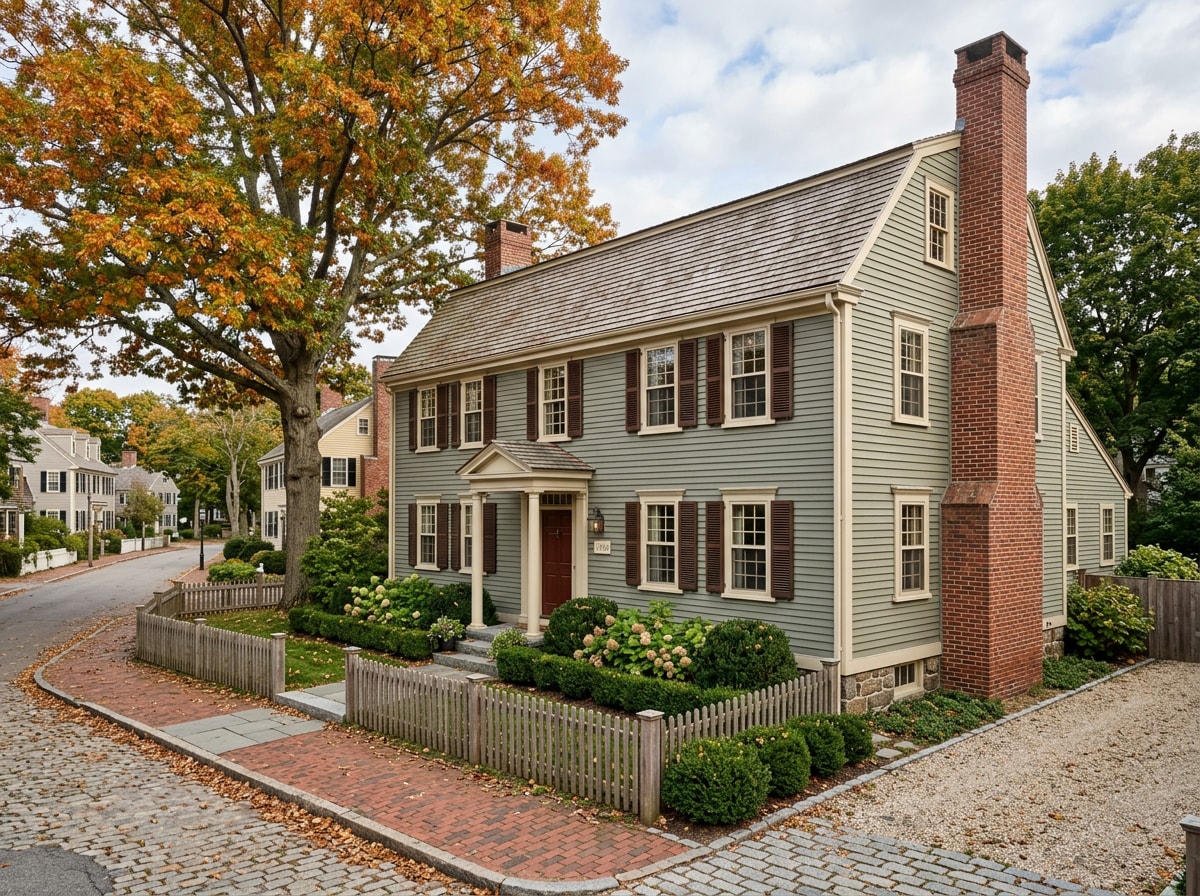
Wood and cedar shake carry the highest material and maintenance cost of the group but remain the closest match for homes inside Leesburg's Old and Historic District, where matching the block's original character often matters more than upfront price.
What Leesburg's Conditions Do to Siding
Leesburg sits in a mixed-humid climate zone with freeze-thaw cycling that stresses cladding materials differently than milder regions see. Winter swings force moisture behind panels to expand and contract, loosening seams, while humid summers and strong UV exposure degrade finishes and accelerate wood and engineered-wood decay over time.
Vinyl contracts and expands with temperature changes, so fastening schedules matter here more than in warmer climates. Fiber cement resists moisture cycling well but still needs properly sealed joints to perform as expected. Wood and engineered wood products are generally the most vulnerable to this cycle without consistent maintenance.
The U.S. Department of Energy's Building America program classifies Virginia as a mixed-humid climate zone, a distinction that explains why material choice carries real performance consequences here, not just aesthetic ones. On recent Leesburg estimates, we've found moisture damage behind panels that looked fine from the curb, which is why a hands-on inspection matters more than a drive-by quote.
The HOA and ARB Process in Leesburg
Homes inside Leesburg's Old and Historic District, and many properties in HOA-governed subdivisions, need exterior approval before cladding work begins. This isn't a step to skip, working without it can mean stop-work orders or undoing completed work later.
The Town of Leesburg's Board of Architectural Review evaluates proposed material, color, and panel profile against the district's design guidelines. Board members come from architecture, real estate, historic preservation, construction, and legal backgrounds, which is one reason documentation and precedent matter more in a BAR application than in a typical HOA review.
HOA architectural committees in newer subdivisions tend to focus more narrowly on color consistency and material type across the neighborhood. The BAR typically holds work sessions the first Monday of the month and regular meetings the third Wednesday, so your contractor's proposed start date needs to work around that calendar rather than the other way around.
Get a Property-Specific Assessment in Leesburg, VA
Reading about warning signs and cost ranges only goes so far, every home's exposure, sheathing condition, and HOA situation differs. A property-specific assessment typically includes a review of sun and wind exposure on each elevation, an itemized scope of what needs replacing versus repairing, and a material recommendation suited to your home's style and any HOA or historic-district requirements.
Browse examples of completed exterior and remodeling work in our project gallery, or see how our team approaches full-exterior projects across Northern Virginia on the homepage. When you're ready for numbers specific to your home, get a free estimate rather than working from a generic price range.
FAQ
How do I know if I need full siding replacement instead of just repairs?
Widespread cracking, warping across multiple panels, or rot that keeps returning in the same spot after repairs are strong signs patch work won't hold. If damage is isolated to one or two panels with no moisture behind them, a targeted repair is often still reasonable.
Is fiber cement siding worth it compared to vinyl?
Fiber cement costs more upfront than vinyl but holds up better against fire, impact, and temperature swings, typically lasting longer before replacement is needed. Vinyl remains the better fit for homeowners prioritizing lower upfront cost and minimal maintenance.
Do I need a permit for siding or cladding replacement in Leesburg, VA?
In many cases, a cosmetic, like-for-like siding replacement doesn't require a separate permit. Exceptions apply for structural repairs, full tear-offs that expose sheathing, and work inside Leesburg's historic district, which typically needs Board of Architectural Review approval regardless of permit status.
Will my Leesburg HOA approve new siding or cladding?
Most HOA-governed subdivisions in Leesburg require architectural committee approval before any exterior material or color change. Approval generally hinges on matching existing neighborhood color schemes and material types rather than ruling out specific products.
How long does a siding or cladding installation take?
A full-house siding installation typically takes several days to about two weeks, depending on home size, material, and crew size. Weather delays, sheathing repairs discovered mid-project, and complex trim details can extend that timeline, so ask your contractor for a realistic range upfront.
How much does it cost to reside a house in Leesburg, VA?
Cost depends heavily on material choice, home size, and whether a full tear-off is needed. Vinyl sits at the low end of the range, wood and cedar shake at the high end, and a property-specific estimate is the only reliable way to get a number for your home.
What's the best cladding material for Leesburg's climate?
Fiber cement generally performs best against Leesburg's freeze-thaw winters and humid summers, resisting moisture cycling and holding finish longer than vinyl or untreated wood. Homes inside the historic district may need to weigh that performance against Board of Architectural Review material requirements.